

Don't want to trade it yourself?
Our desk runs DEX portfolios on profit share.
Add preferred source
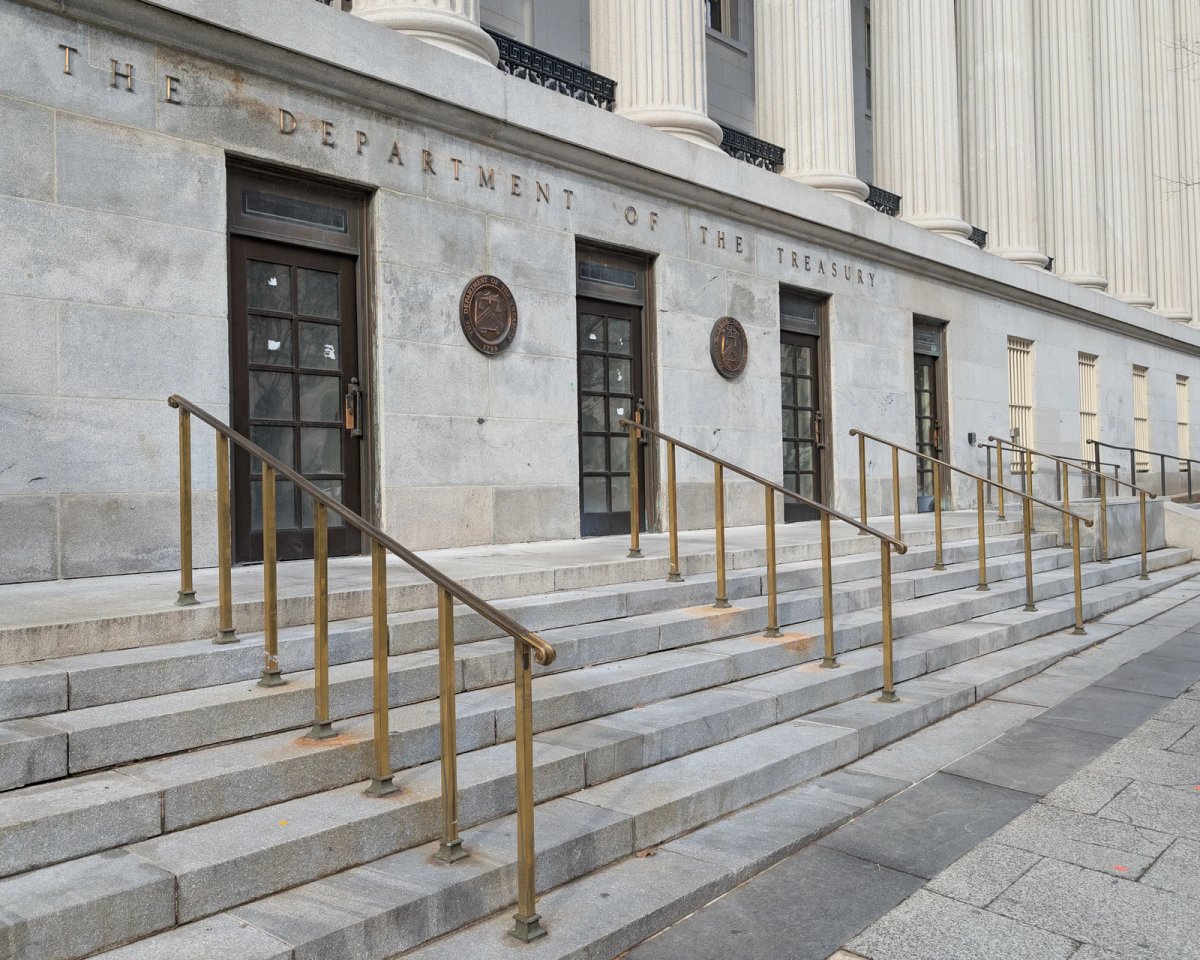
The U.S. Treasury Department on the 17th imposed sanctions on Bitbank, a cryptocurrency exchange controlled by sanctioned Iranian financier Babak Zanjani. The exchange allegedly processed safe-passage fees for vessels transiting the Strait of Hormuz and funneled hundreds of millions of dollars to the Islamic Revolutionary Guard Corps. A software development firm and three close associates were also designated. The action is part of “Operation Economic Outcast,” aimed at isolating Iran economically, and underscores Washington’s growing concern over the use of digital assets to evade sanctions.
Key Elements
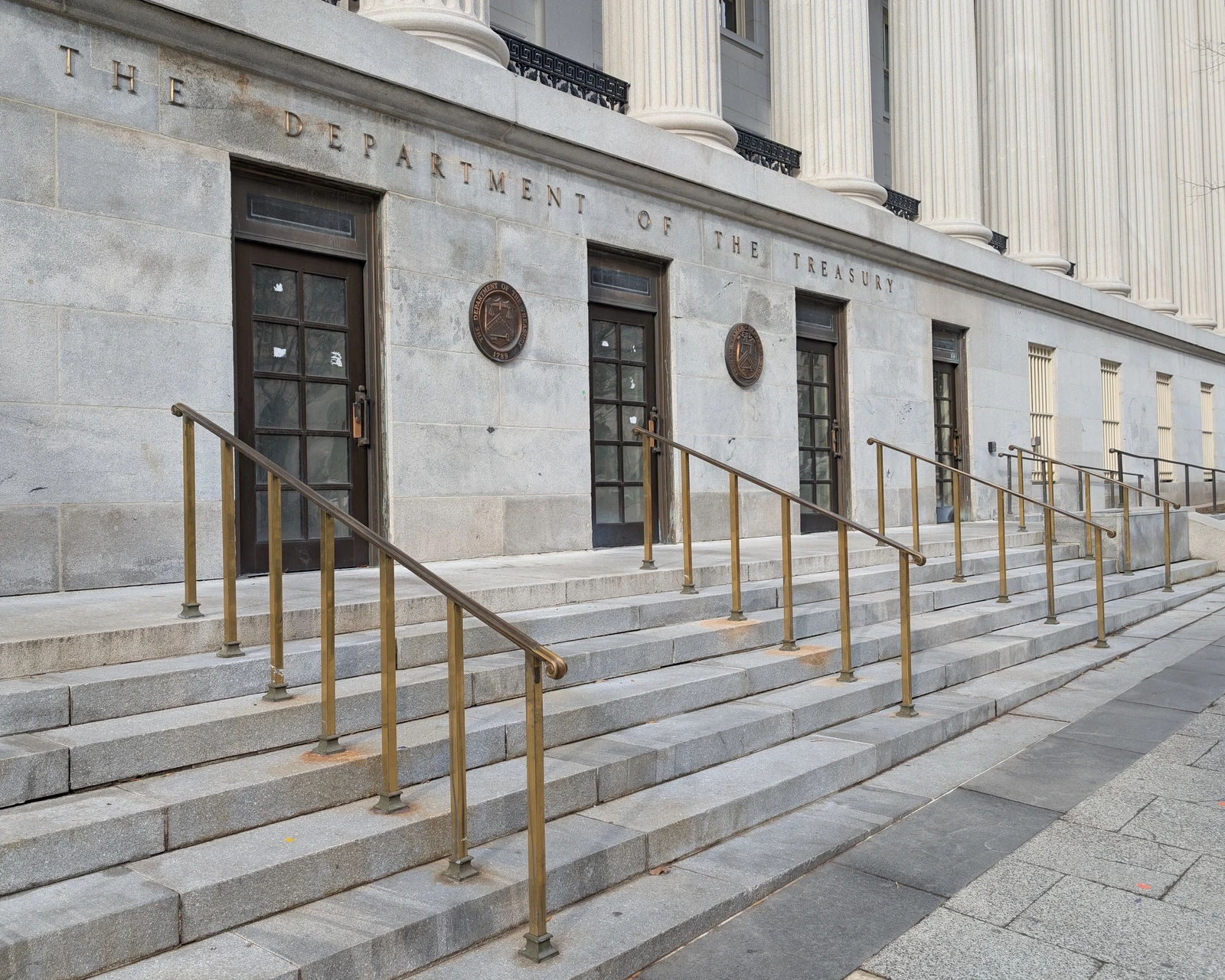
The U.S. Treasury Department announced on the 17th that it has imposed new sanctions on Bitbank, a cryptocurrency exchange controlled by sanctioned Iranian financier Babak Zanjani. The action was taken because the exchange processed payments for transit fees collected from vessels safely navigating the Strait of Hormuz, leading the Treasury to determine that the exchange serves as a core component of Iran’s sanctions-evasion network.
According to a Treasury statement, Bitbank had transferred hundreds of millions of dollars to Iran’s Islamic Revolutionary Guard Corps (IRGC). The exchange was reportedly used as a conduit for transferring funds to the newly established “Hormuz Safe Maritime Services Organization.” The Treasury characterized Bitbank as a “critical component” of Iran’s sanctions-evasion infrastructure utilizing digital assets.
The designation was carried out as part of the Treasury’s “Operation Economic Outcast,” which aims to isolate Iran economically. The operation targets Iran’s illicit oil trade, financial intermediaries, currency exchangers, shipping and aountry’s global financial, commercial, and logistics networks
The sanctions extend beyond the exchange itself. Pishtaz Simorgh E-Commerce Company, which developed Bitbank’s software, was also designated, along with three close associates of Zanjani: Hossein Ali Zaker Hossein, Mohammad Mahdi Zaker Hossein, and Seyyed Adel Heydari.
Zanjani has long been regarded as a central figure in Iran’s sanctions-evasion network. He was sentenced to death by Iranian authorities in 2016 on embezzlement charges, but his sentence was commuted in 2024, and by 2025 he had returned to the public stage in a role supporting Iranian government economic projects.
This is not the first time the United States has imposed sanctions related to Zanjani. In January of the same year, the Treasury announced sanctions against Zanjani and his largest digital asset projects—the Zedchecks and Zedxion exchanges—citing their involvement in money laundering for the IRGC.
Background and Objectives of the Sanctions
The Strait of Hormuz is a strategic chokepoint through which approximately 20% of the world’s crude oil shipments pass. Iran’s efforts to secure a new revenue stream through transit fees represent a security concern that the United States cannot overlook. Payments routed through cryptocurrencies can bypass the traditional banking system, making them an increasingly prominent tool for undermining the effectiveness of sanctions.
Through this action, the Treasury has made clear its determination to block Iran’s attempts to maintain access to the international financial system by leveraging digital assets. The move also highlights once again the risk that cryptocurrency exchanges can be exploited to move funds for sanctioned individuals and terrorist organizations.
Market and Industry Impact
These sanctions demonstrate that U.S. scrutiny of cryptocurrency exchanges is intensifying further. In particular, operators with business relationships in geopolitically high-risk regions may face pressure to review their compliance frameworks.
Iran’s positioning of cryptocurrencies as a primary means of sanctions evasion suggests that the country’s digital asset-related projects are likely to remain targets of U.S. sanctions going forward. At the same time, the effectiveness of sanctions depends on the cooperation of international exchanges and financial institutions, leaving some observers skeptical about their practical impact.
Once added, BigGo Finance appears first in Google Search Top Stories, so you get the broadest, most up-to-the-minute, and most comprehensive global financial news first.
Source: finance.biggo.com