

Don't want to trade it yourself?
Our desk runs DEX portfolios on profit share.
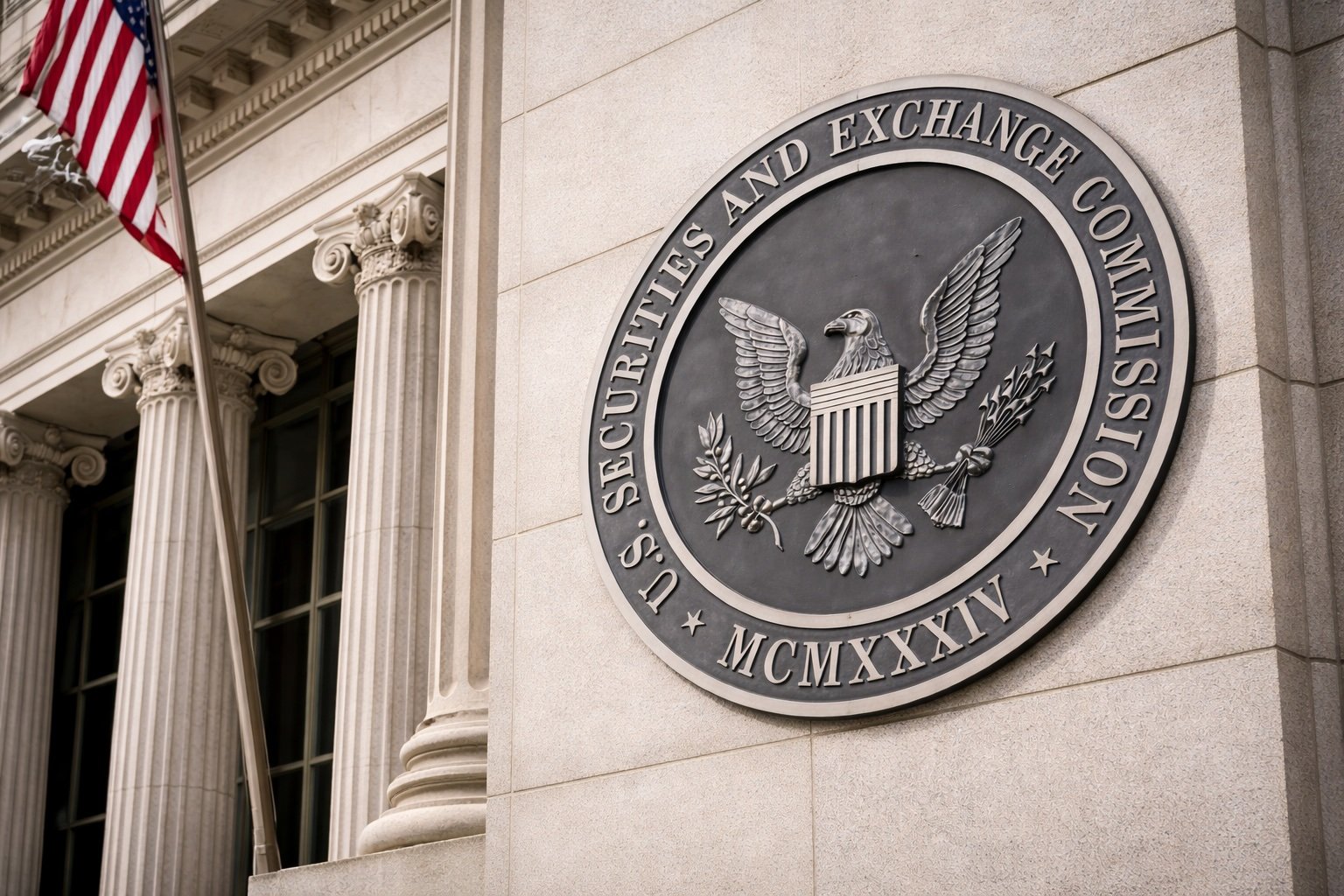
The heads of two federal financial regulators said on Sept. 16 that their agencies would proceed with crypto rulemaking under existing authority, after the US Senate voted against advancing the Digital Asset Market Clarity Act the previous day.
The Senate voted 49-50 on Sept. 15 to block the CLARITY Act, which would have established the first comprehensive federal framework for digital asset regulation. The bill required 60 votes to move forward. SEC Chairman Paul Atkins and CFTC Chair Brian Selig each issued public statements within 24 hours of that vote.
“I have been unequivocal: with or without legislation, we will act decisively within the SEC’s statutory authority to deliver certainty for American investors and for the entrepreneurs shaping our technological future,” Atkins said.
Selig called the Senate vote “unfortunate” and said investors “deserve regulatory clarity, legal certainty, and consumer protections in crypto asset markets.” He added that the CFTC is “locked in and ready to ship its rules for the new frontier of finance” and would help fulfill President Trump’s promise to deliver regulatory market structure “one way or another.”
Related Article:Bernstein Says SEC and CFTC To Rush Crypto Rules After CLARITY Act Failed
Democrats had opposed the CLARITY Act over concerns about Trump’s personal crypto interests and the bill’s ethics provisions. Republicans rejected a Democratic counterproposal. One Republican Senate aide told The Block the bill is dead, though Senator Thom Tillis said he believes the legislation still has a path forward. Coinbase CEO Brian Armstrong posted on X on Sept. 16: “The CFTC and SEC are stepping up. Go time.”
Bernstein analysts said they expect both agencies to pursue rulemaking in an “aggressive and swift” manner. JPMorgan analysts cautioned that agency rules carry less permanence than legislation, as future administrations could reverse them and courts could challenge them. Potential areas of focus include classification of native crypto tokens, rules for decentralized finance protocols, self-custody infrastructure protections, and equity tokenization standards.
This article contains links to third-party websites or other content for information purposes only (“Third-Party Sites”). The Third-Party Sites are not under the control of CoinMarketCap, and CoinMarketCap is not responsible for the content of any Third-Party Site, including without limitation any link contained in a Third-Party Site, or any changes or updates to a Third-Party Site. CoinMarketCap is providing these links to you only as a convenience, and the inclusion of any link does not imply endorsement, approval or recommendation by CoinMarketCap of the site or any association with its operators. This article is intended to be used and must be used for informational purposes only. It is important to do your own research and analysis before making any material decisions related to any of the products or services described. This article is not intended as, and shall not be construed as, financial advice. The views and opinions expressed in this article are the author’s [company’s] own and do not necessarily reflect those of CoinMarketCap.
Source: coinmarketcap.com
1 Comment
Pingback: US Senate Fails to Advance Clarity Act, Prolonging Crypto Regulatory Uncertainty – xpertsstudio