

Don't want to trade it yourself?
Our desk runs DEX portfolios on profit share.
Add to Google Preferred Sources
Bitcoin hovered near $80,000 over the weekend following a volatile week that included a drop to $76,500, a rally to $82,400, and a retreat after strong US jobs data raised rate-hike expectations. While Bitcoin stalled, Arbitrum’s ARB token surged 42% to above $0.19 and Zcash climbed 17% to near $1,200, its highest level in almost a decade. Total crypto market capitalization rose just 0.8% to $2.7 trillion, indicating selective rotation rather than broad-based gains. Separately, 600 BTC mined in March 2010 moved after more than 16 years of dormancy, sparking speculation about Satoshi Nakamoto. Whale Alert traced the funds to 12 mining block rewards and said its research found no connection to Nakamoto.
Key Elements
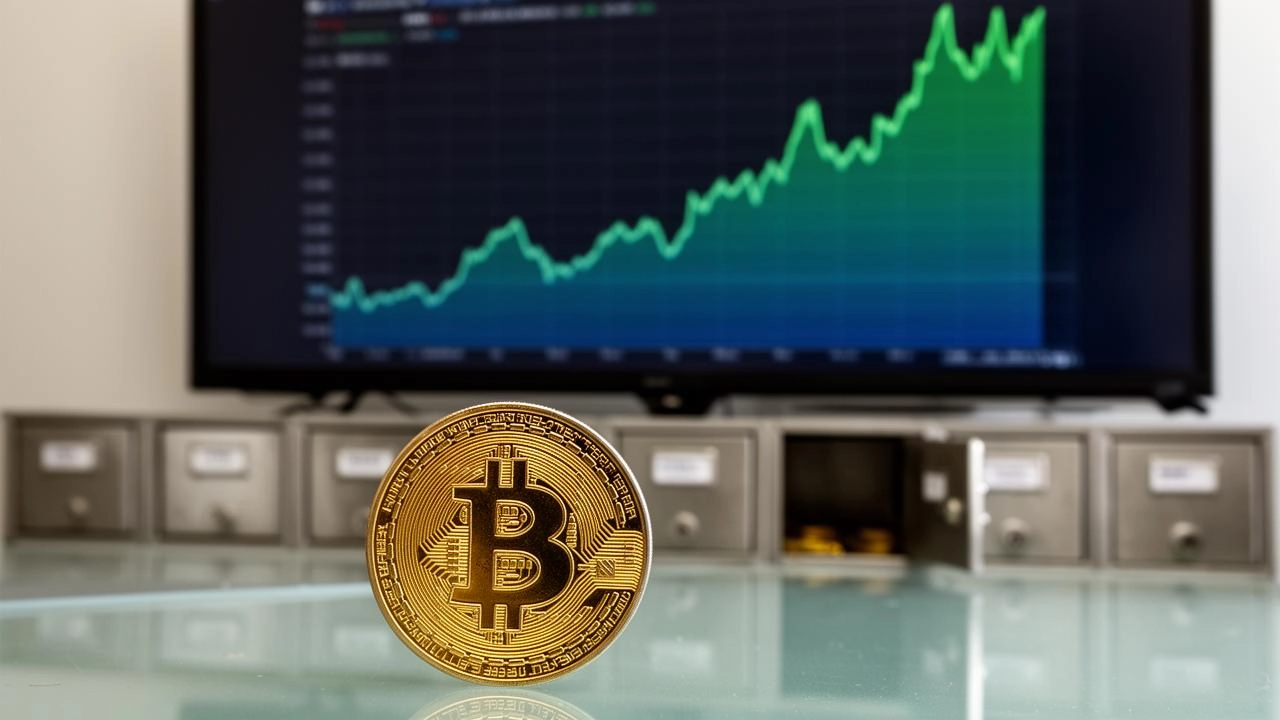
Bitcoin spent the weekend locked in a narrow battle around the $80,000 level, unable to sustain a breakout even as a wave of capital rotated into select altcoins. Arbitrum’s ARB token delivered the day’s most explosive move, jumping 42% to trade above $0.19, while privacy-focused Zcash climbed 17% to approach $1,200 for the first time in nearly a decade.
At the same time, a separate onchain development captured the attention of crypto sleuths: roughly 600 BTC mined in March 2010 moved Saturday from addresses that had been dormant for more than 16 years. The transfers, worth about $48 million at current prices, briefly reignited speculation about a possible connection to Bitcoin’s pseudonymous creator, Satoshi Nakamoto.
Whale Alert, a blockchain transaction tracking platform, traced the funds to mining rewards paid across 12 Bitcoin blocks from March 2010. The company said its analysis found no evidence tying any of those blocks to Nakamoto. “None of the blocks can be connected to Satoshi based on our research,” a Whale Alert spokesperson said.
Bitcoin’s Uneven Week
The leading cryptocurrency entered the weekend around $80,000 after a volatile stretch that saw it swing between $76,500 and $82,400 over the course of five trading sessions. August closed with a gain of more than 25%, marking a strong recovery despite early-month turbulence.
Monday brought a sharp pullback from $79,000 to $77,000 after the United States and Iran resumed military strikes against each other. Bitcoin rebounded quickly to $79,000, only to face renewed selling pressure on Tuesday that pushed it below $76,500 by Wednesday. Buyers then stepped in aggressively, driving the asset to $82,400, its highest level since mid-May.
The rally was short-lived. A stronger-than-expected US jobs report on Friday sent Bitcoin down roughly $3,000 to $78,600, as traders recalibrated expectations around Federal Reserve policy and the odds of further rate hikes climbed. Bitcoin subsequently recovered to hover near $80,000 through the weekend.
Market data showed Bitcoin’s capitalization back at approximately $1.6 trillion, while its dominance over the broader cryptocurrency market slipped slightly to 59.1%.
Altcoin Rotation Accelerates
Ethereum gained 1.75% on the day, moving back toward $2,500. BNB traded below $760 after touching $770 a day earlier, while XRP held its $1.40 support level. Solana remained comfortably above $100, and a broad group of tokens including HYPE, DOGE, RAIN, XMR, LINK and ADA posted gains.
Uniswap’s UNI rose 10% to reach $7. Zcash’s advance to near $1,200 marked a significant milestone for the token, which has not traded at that level in almost a decade.
Arbitrum’s surge stood out even against that backdrop. The 42% daily gain pushed ARB above $0.19, making it one of the strongest performers among major altcoins over the weekend. The rally came despite limited overall market movement: total cryptocurrency market capitalization remained just above $2.7 trillion, up only 0.8% over 24 hours.
| Asset | 24-Hour Change | Price Level |
|---|---|---|
| Bitcoin (BTC) | ~0% | ~$80,000 |
| Ethereum (ETH) | +1.75% | ~$2,500 |
| Arbitrum (ARB) | +42% | >$0.19 |
| Zcash (ZEC) | +17% | ~$1,200 |
| Uniswap (UNI) | +10% | ~$7 |
| BNB | Negative | <$760 |
Note: Price levels reflect weekend trading conditions as
The selective nature of the altcoin rally matters. A 42% surge in ARB and a 17% jump in ZEC did not translate into broad market strength. With total market capitalization up less than 1%, the moves suggest traders were rotating existing capital into specific tokens rather than injecting fresh money across the board.
Dormant Coins From Satoshi’s Era Resurface
While price action dominated headlines, the movement of 600 BTC from addresses inactive since 2010 added a layer of intrigue to the weekend. The coins originated as block rewards from March 2010, a period when Nakamoto was still actively involved in Bitcoin’s development and communications.
Whale Alert expanded its earlier analysis from seven of the reward blocks to all 12, concluding that none could be linked to Nakamoto. The company noted that one of the rewards moved several blocks before most of the others, a pattern consistent with a test transaction preceding the remaining transfers.
That behavioral detail is significant for onchain analysts. A test transaction suggests the sender may have been verifying processes before moving larger amounts, whereas a single immediate consolidation would point to different operational intent. Without access to private keys or offchain context, pattern analysis remains the closest available lens for interpreting the activity.
Lookonchain, an independent onchain analytics platform, had previously identified seven miner wallets that moved 350 BTC after roughly 16.5 years of dormancy, attributing those wallets to March 2010 mining activity. The overlapping timelines reinforce the conclusion that the weekend’s transfers involved early mining rewards, even if the identities of the holders remain unknown.
Nakamoto’s involvement in Bitcoin continued through 2010 before a gradual withdrawal. The last known communication from the pseudonymous figure dates to April 2011. That chronology is precisely why “Satoshi-era” coins generate outsized attention: the period overlaps with Nakamoto’s active participation, fueling narratives that often outrun the available evidence.
For market participants, the distinction between “Satoshi-era” and “Satoshi-owned” is more than semantic. Narratives about Nakamoto-linked holdings have historically fed speculative episodes, even when attribution evidence is weak or absent. Whale Alert’s conclusion that none of the 12 blocks can be connected to Nakamoto tempers that speculation, but does not eliminate the broader question of whether additional early-era wallets might follow.
What Comes Next
The immediate focus for traders will be whether Bitcoin can convert $80,000 from a battleground into a base. The level has acted as both support and resistance in recent sessions, and the direction of the next decisive move will likely set the tone for altcoin momentum.
For the dormant coins, the key uncertainty is whether additional related addresses will remain silent or follow the pattern established over the weekend. Large-value transfers from long-dormant addresses can shift sentiment around supply dynamics and spark short-term speculation about whether more old holdings will move. The downstream path of the 600 BTC, whether toward exchanges or new dormant addresses, will provide the clearest signal about intent.
Weekend winners ZEC and ARB now face the test of whether their gains can survive into the new trading week. Their ability to hold current levels will depend heavily on Bitcoin’s behavior around $80,000 and whether the rotation into altcoins has genuine momentum or was merely a temporary flight from Bitcoin’s indecision.
Once added, BigGo Finance appears first in Google Search Top Stories, so you get the broadest, most up-to-the-minute, and most comprehensive global financial news first.
Source: finance.biggo.com