

Don't want to trade it yourself?
Our desk runs DEX portfolios on profit share.
Add to Google Preferred Sources
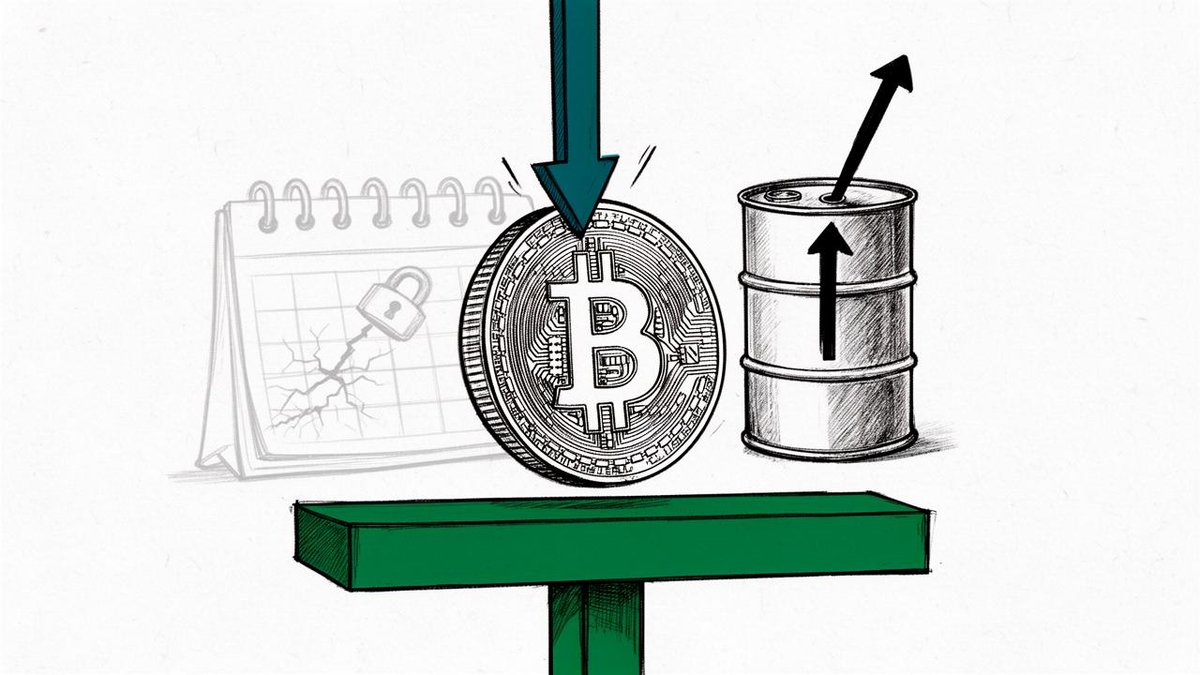
Bitcoin slipped below $80,000 as military conflict between the United States and Iran intensified. U.S. forces struck three Iranian oil tankers, sending international oil prices surging, with WTI climbing to $92.72 per barrel. However, analysts note that U.S. spot Bitcoin ETFs absorbed geopolitical selling pressure, recording approximately $905.4 million in net inflows over two days. With August employment data coming in strong and the probability of a September rate hike rising to 59%, the August CPI report due September 11 has emerged as a key variable for Bitcoin’s direction. A security incident on the Liquid Network also heightened market caution.
Key Elements
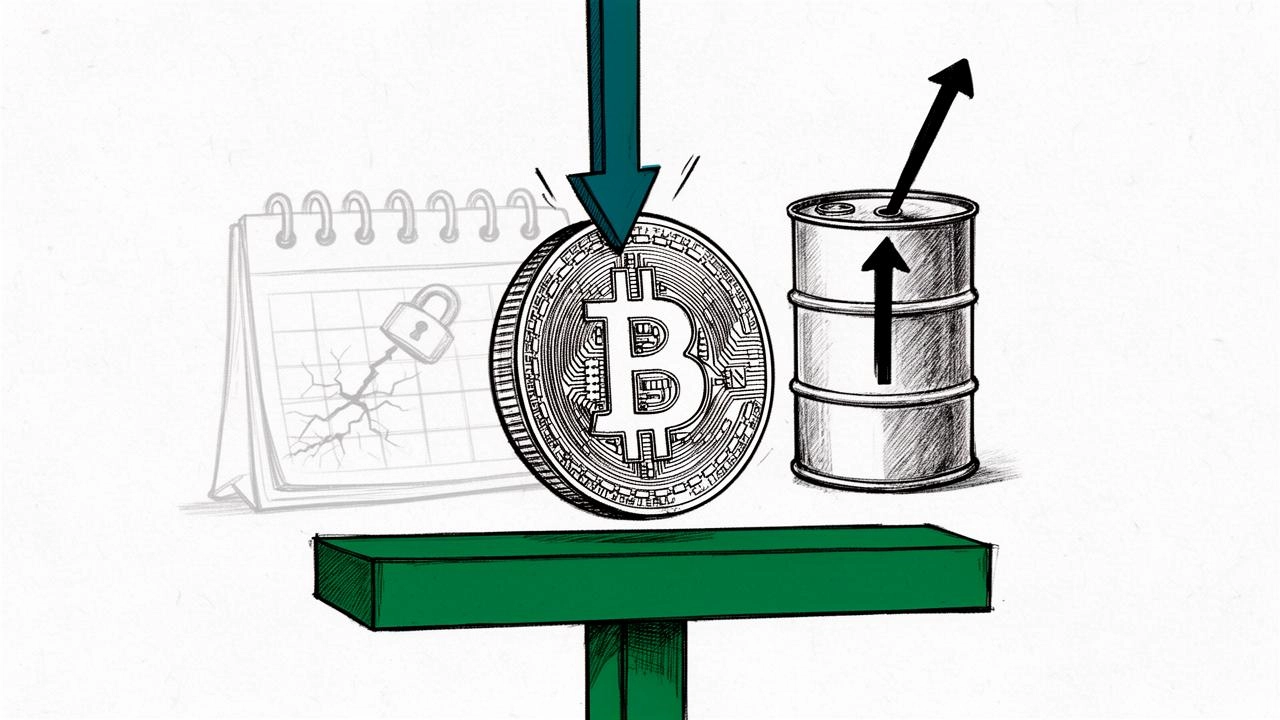
Bitcoin is locked in a fierce battle around the $80,000 level despite escalating military conflict between the United States and Iran and surging international oil prices. As of 2 p.m. on September 7, Bitcoin was trading at $79,714.99 on the Binance USDT market, down 0.2% from the previous day.
Bitcoin, which had been oscillating around $80,000 over the weekend, came under downward pressure as tensions in the Middle East flared up again. The U.S. Central Command (CENTCOM) announced on September 5 that it had struck three Iranian oil tankers near Iran’s Kharg Island, Jask, and the Gulf of Oman. The strikes were in response to Iranian forces launching ballistic missiles at U.S. aircraft carriers and guided-missile destroyers.
U.S. Admiral Brad Cooper explained the rationale behind the tanker strikes, stating, “If they attack two of our ships, we will impose greater economic costs.” The U.S. military said that since resuming maritime interdiction operations on July 14, it had rerouted 92 commercial vessels, neutralized three, and boarded two.
International oil prices continued to climb on concerns over Middle East supply disruptions. West Texas Intermediate (WTI) rose approximately 1% to $92.72 per barrel, with its monthly gain exceeding 6%. Brent crude surged to $96.28 per barrel. With shipping around the Strait of Hormuz and Iranian oil exports under threat, OPEC+ is expected to maintain its existing production policy for October.
However, this time the market dynamics differ from the past. Unlike earlier this week, when rising oil prices pushed Bitcoin below $77,000, the current conflict has seen limited immediate selling. According to Coinglass, Bitcoin futures open interest held steady at $53.4 billion.
ETF Inflows Offset Geopolitical Risk
Analysts suggest that capital inflows into U.S. spot Bitcoin ETFs are absorbing geopolitical selling pressure. According to Farside Investors, U.S. spot Bitcoin ETFs recorded net inflows of $730.8 million on September 3 and $174.6 million on September 4. That amounts to a total of $905.4 million over two days.
BlackRock’s IBIT led the inflows, attracting $571.4 million over the two-day period. This follows a record-breaking August, during which Bitcoin ETFs pulled in approximately $3.52 billion—the largest monthly total of the year. Bitcoin rose about 25% in August.
Fed Rate Path Is the Biggest Variable
Market attention is now shifting to U.S. inflation data and the Federal Reserve’s monetary policy direction. With August employment data coming in stronger than expected, the probability of a September rate hike has surged to approximately 59%. The economy added 162,000 jobs in August, far exceeding expectations.
U.S. President Donald Trump repeatedly called on the Federal Reserve to cut rates immediately after the jobs report, amplifying uncertainty surrounding monetary policy. Concerns that rising oil prices could fuel inflationary pressure and constrain the Fed’s ability to ease policy are also weighing on the digital asset market.
According to the U.S. Bureau of Labor Statistics, the Producer Price Index (PPI) is scheduled for release on September 10, followed by the more critical August Consumer Price Index (CPI) on September 11. If the conflict with Iran keeps oil prices elevated and inflation comes in higher than expected, the market will find it difficult to ignore.
CoinDesk, a digital asset-focused media outlet, noted that “uncertainty surrounding the Fed’s policy direction, rather than an actual rate hike itself, could dampen risk appetite across markets including Bitcoin.”
Meanwhile, a security incident involving approximately $320 million on the Bitcoin sidechain Liquid Network also heightened market caution. Bitcoin’s currently limited reaction suggests that ETF inflows are partially offsetting geopolitical selling pressure, but if next week’s inflation data exceeds expectations, the market could face a new test.
Once added, BigGo Finance appears first in Google Search Top Stories, so you get the broadest, most up-to-the-minute, and most comprehensive global financial news first.
Source: finance.biggo.com