

Don't want to trade it yourself?
Our desk runs DEX portfolios on profit share.
- GC=F
- BTC-USD
- DX-Y.NYB
-
The so-called debasement trade is back as investors pile into scarce assets like gold and bitcoin, and dump the dollar.
-
Treasury’s surprise bond-buyback plan has renewed focus on US debt, persistent deficits, and inflation fears.
To the novice eye, it may seem like markets are dull right now. And, to be fair, action in stocks has been tame in recent days, at least compared to the rollercoaster ride of the past few months.
But real ones know the action never stops — it just moves to a different part of the market. And those paying attention have been able to get a headstart on a popular trade that’s coming back in force.
I’m referring to the so-called debasement trade, which, at its core, is a bet on runaway budget deficits and persistently high inflation. It involves owning scarce assets (gold, bitcoin) and selling the currency that policymakers are weakening (the US dollar).
The market has had a renewed reason to make that bet, after Treasury Secretary Scott Bessent announced a surprise bond-buyback plan intended to drive long-term yields lower.
In a narrow sense, Bessent’s effort worked. Yields fell from their highs, and remain slightly lower.
But the more consequential message for investors was that the plan didn’t actually address the forces pushing yields higher: a nearly $40 trillion national debt, persistent deficits, and the looming specter of inflation. The market increasingly sees Bessent’s bond-buyback plan as a Band-Aid rather than a long-term fix — a view that’s helped weaken the dollar and revive the debasement trade.
The trade, of course, takes two (actually three) to tango. Here’s what’s driving the assets on the winning side:
Gold: The slow-burn warning
The precious metal’s recent rally began before Bessent’s buyback announcement, which makes it more than a one-day reaction to a Treasury policy shift.
The dollar had already been under pressure after the US and Japan intervened to support the yen at the start of the month. In the meantime, the Iran war drove inflation fears, and the surge in long-dated Treasury yields brought renewed attention to the US fiscal situation.
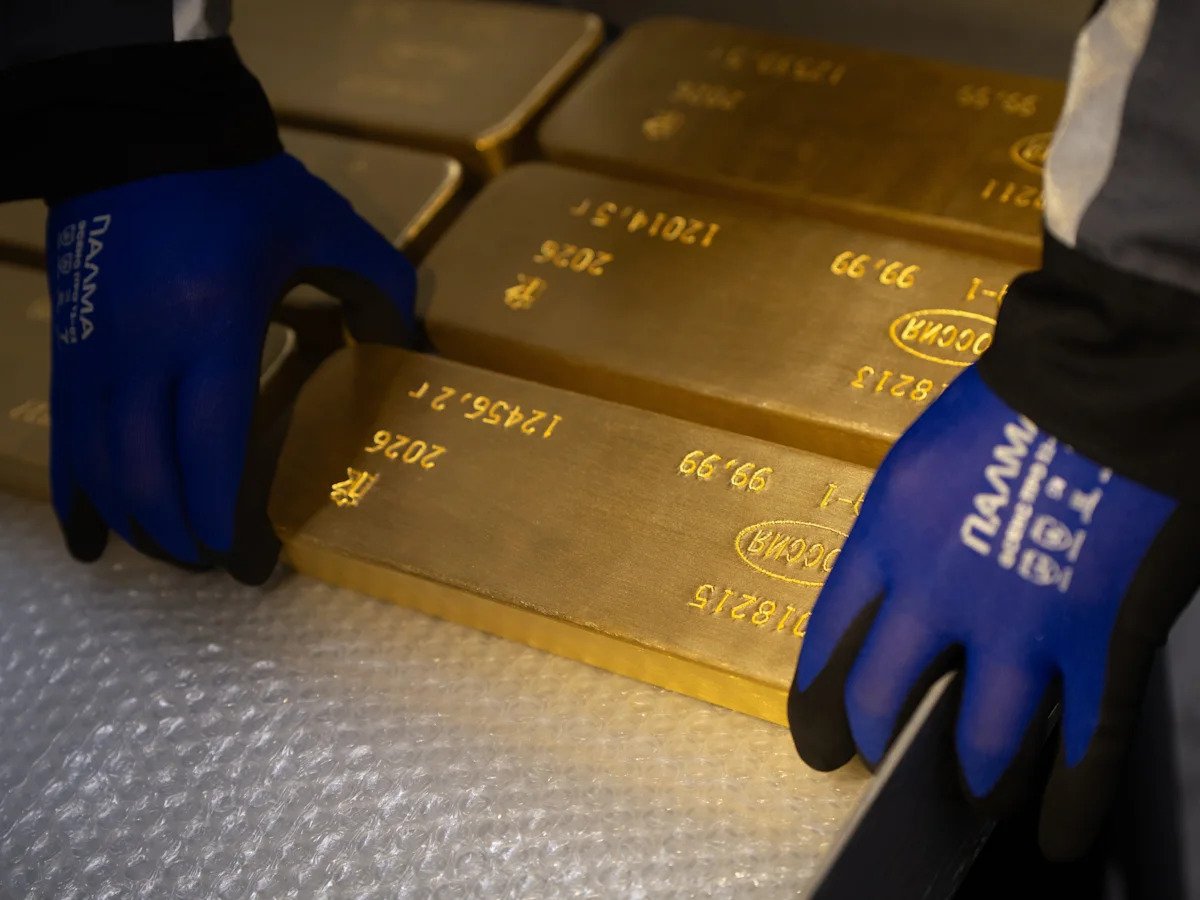
Then the buyback plan gave investors a fresh reason to own gold, which is scarce, politically neutral, and outside the dollar system.
The result has been a 14% surge for gold in the month of August.
Bitcoin: The high-octane risk asset
While gold climbed throughout August, bitcoin’s surge has been much more recent. The key inflection point was Bessent’s buyback announcement on Aug. 19, which sent the 30-year Treasury yield down 9 basis points in a single day.
Source: ca.finance.yahoo.com