

Don't want to trade it yourself?
Our desk runs DEX portfolios on profit share.
Currencies38693
Market Cap$ 2.79T+6.60%
24h Spot Volume$ 74.93B+6.18%
DominanceBTC56.44%-1.32%ETH10.88%+0.54%
ETH Gas0.35 Gwei
BlockchainSolanaNetwork UpgradePerformanceAgave
Aug 22, 2026
2min read
byDhaval
for<a href="https://xpertsstudio.com/bitcoin-correlation-with-tech-stocks-hits-zero/” title=”Bitcoin: Correlation With Tech Stocks Hits Zero”>Bitcoin World
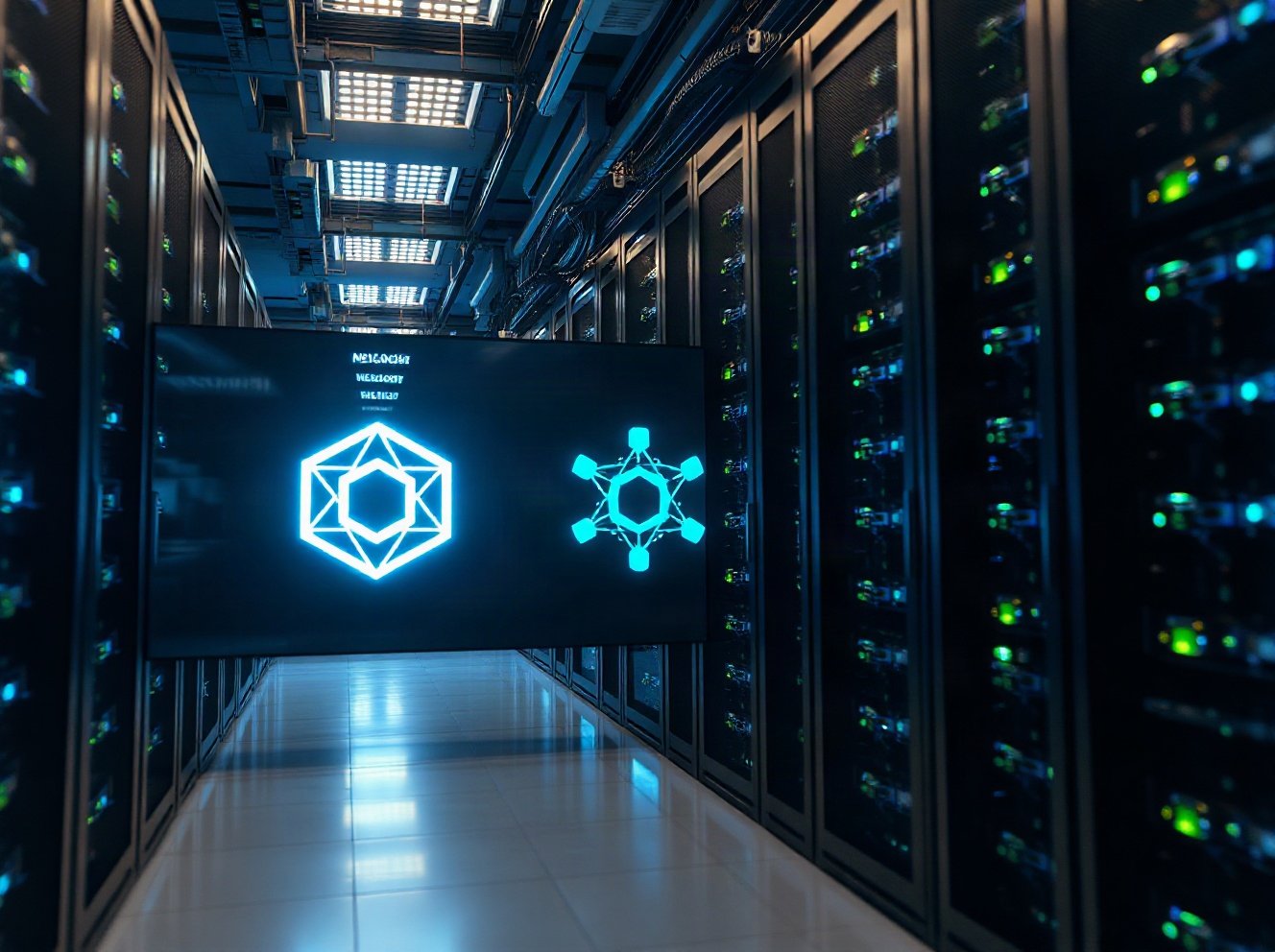
Solana is deploying a four-phase upgrade starting at epoch 1020 to halve block production time from 400ms to 200ms, with all changes already integrated into the Agave validator client. The faster block times should improve throughput, latency and crypto adoption for high-frequency use cases like DeFi, DEXs and gaming, but will increase validator hardware demands and could pressure decentralization and operational costs.
See what traders are focused on
Solana is set to implement a phased technical upgrade that will cut its block production interval in half, from 400 milliseconds to 200 milliseconds. The first phase is scheduled to activate with epoch 1020, according to a report by BeInCrypto. All four changes have already been incorporated into Agave, the validator client developed by Anza, and will be enabled sequentially over time.
What the Upgrade Entails
The upgrade is designed to improve network throughput and reduce latency, making Solana more competitive for high-frequency applications such as decentralized exchanges, gaming, and real-time data feeds. The move from 400ms to 200ms block times means the network will produce blocks twice as fast, allowing for quicker transaction finality and a smoother user experience.
Anza, the core development team behind Solana’s Agave client, has already integrated all four changes into the software. Validators will need to update their clients to remain compatible with the network as the changes activate in stages. The phased approach allows for testing and monitoring at each step, reducing the risk of network disruption.
Why This Matters for Solana and Its Users
Faster block times are a key metric for blockchain performance. For Solana, which already advertises high throughput, this upgrade reinforces its position as one of the fastest major networks. For developers and users, the reduced latency can translate into more responsive applications and a better experience for traders who rely on speed.
However, the change also places greater demands on validators, who must process blocks more frequently. This could increase hardware requirements and operational costs for node operators, a factor that the community will be watching closely.
Potential Impact on Validators and Decentralization
Shorter block intervals can increase the computational load on validators. While Solana’s architecture is designed for high performance, the upgrade may prompt discussions about hardware specifications and the cost of running a node. The phased rollout gives the ecosystem time to adapt, but long-term effects on decentralization remain to be seen.
Conclusion
Solana’s move to 200ms block production is a significant technical milestone that could enhance network speed and responsiveness. The phased activation starting with epoch 1020 reflects a careful approach to network upgrades, balancing performance gains with stability. As the changes roll out, the crypto community will be watching to see how validators and applications adapt to the faster cadence.
Q1: What is the current block time on Solana?
Currently, Solana produces a block every 400 milliseconds. After the upgrade is fully implemented, this will be reduced to 200 milliseconds.
Q2: When will the first phase of the upgrade activate?
The first phase is scheduled to activate with epoch 1020, which is the next epoch boundary after the upgrade is enabled.
Q3: Will the upgrade affect transaction fees or speeds?
Transaction speeds are expected to improve due to faster block production. Fees are determined by network demand and market conditions, so they may not change directly as a result of this upgrade.
Source: cryptorank.io