

Don't want to trade it yourself?
Our desk runs DEX portfolios on profit share.
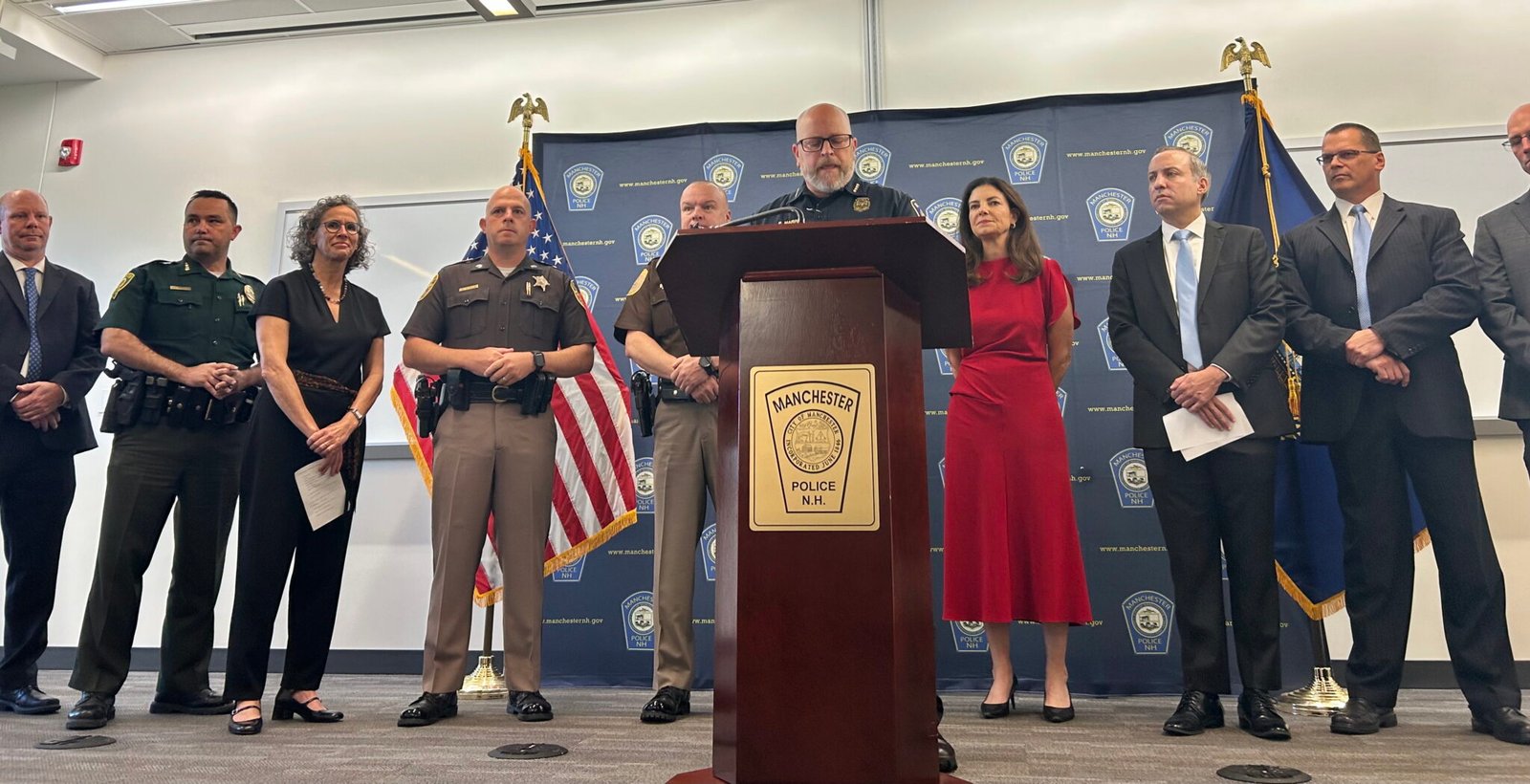
New restrictions on cryptocurrency kiosks are an important “first step” in protecting New Hampshire residents from the widespread fraud the machines are often tied to, Gov. Kelly Ayotte said on Monday.
She spoke at a press conference at the Manchester Police Department, where officials, law enforcement officers, and AARP staff and volunteers celebrated the passage ofSenate Bill 482, which creates new restrictions on the kiosks.
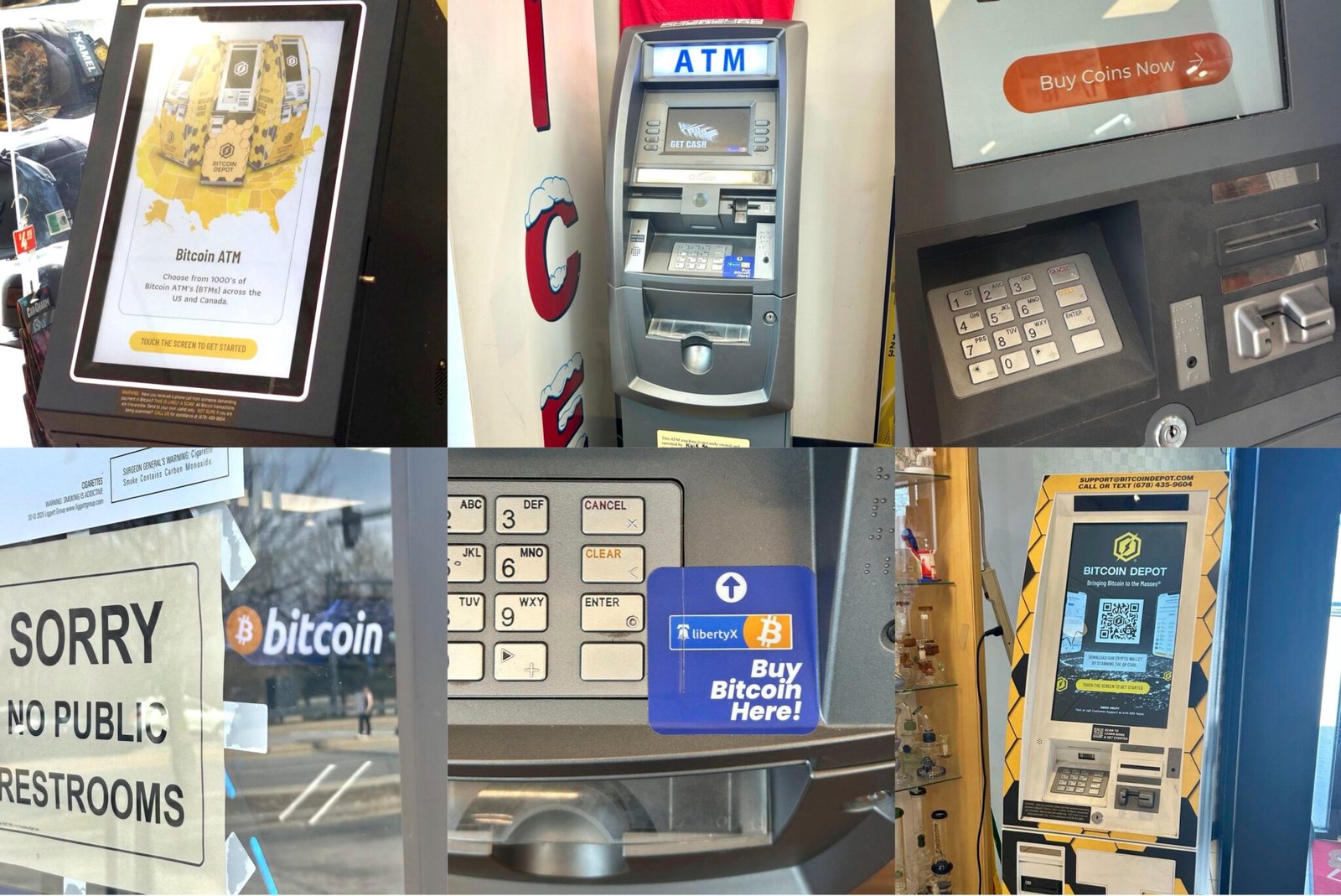
Cryptocurrency kiosks are ATM-like machines often found at convenience stores or corner shops, operated by companies with names like Bitcoin Depot, CoinFlip, and Byte Federal. They are often used by scammersto defraud victimsof their cash, law enforcement officers said on Monday, because they move funds in a way that is immediate and nearly impossible to trace.
“Over the last several years, I’ve seen scams involving crypto ATM machines increase to the point where they became one of the fastest growing fraud threats against our senior population,” said Detective Raymond Lamy, who investigates fraud for the Manchester Police Department, at the event.
Large amounts of money can be conveyed through the machines. The Hampton Police Department has learned of scams totaling over $1 million that have affected Hampton community members within the last 14 months, said Hampton Police Department Chief Alex Reno. In total, over multiple years, the department has documented over $3 million in fraud related to crypto ATMs, he said. Very little of the money is typically recovered.
“We’re seeing it in our cities, we’re seeing it in our towns, our smallest communities,” said New Hampshire Attorney General John Formella. “… We’ve had an incredible increase in the number of these machines around the state, and we’ve identified hundreds of potential locations where these crypto ATMs can be put in, or are being put in.”
SB 482 requires the companies that operate cryptocurrency kiosks to abide by certain protocols, including requiring them to provide a full refund of fraudulent transactions to a user if they report the crime to the operator and law enforcement within two weeks.
It also institutes a two-day waiting period after a user’s first transaction, requires the operator to take steps to verify users’ identities, and sets a transaction limit of $2,000 per customer per day, among other requirements. The bill will go into effect on Dec. 16.
But it stops short of an outright ban, which the New Hampshire Association of Chiefs of Police had originally sought.
More than 30 states have implemented some level of cryptocurrency kiosk regulations, and four states have banned them entirely within their borders, including Vermont.
Like Ayotte, Lamy, who earlier this year called for a ban on behalf of the New Hampshire Association of Chiefs of Police, also called the bill a “first step.”
“It’s kind of too soon to tell what the impact of this current bill will be,” he said, speaking after the conference on Monday. “But anything that’s proposed to help limit the ability of scammers to get money through these machines would be appreciated.”
Law enforcement officers and Ayotte herself urged New Hampshire residents to ask questions and contact friends, family, or law enforcement any time someone attempts to pressure them into sending money through a crypto ATM.
“That is not how legitimate creditors ever contact you, so please, just don’t do it,” she said.
Source: newhampshirebulletin.com