

Don't want to trade it yourself?
Our desk runs DEX portfolios on profit share.
Add to Google Preferred Sources
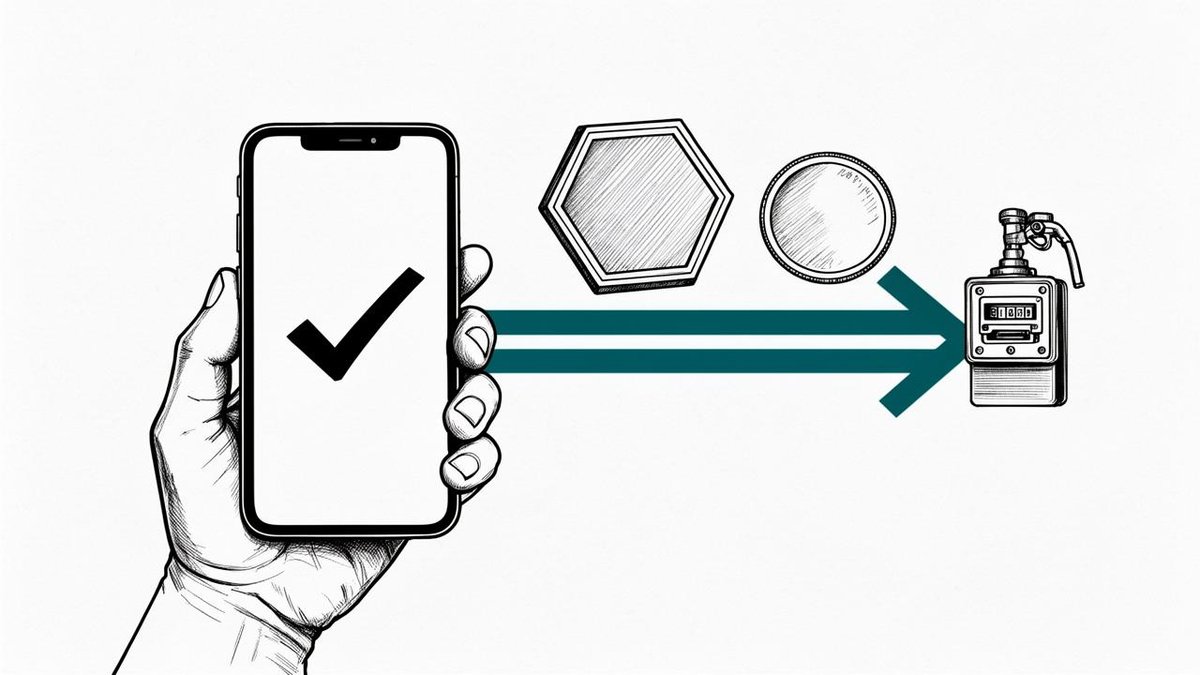
Ethereum core developers have decided to include “Frame Transactions” (EIP-8141) in the Hegotá upgrade scheduled for 2027, enabling users to pay transaction fees with stablecoins and other digital assets instead of ETH. Currently, all gas fees must be paid in Ethereum tokens, but this feature will separate the transaction-approving account from the fee-paying account, allowing payment applications to settle fees on behalf of users. Co-founder Vitalik Buterin noted that significant progress on Frame Transactions has been quietly underway in recent months. However, specific details such as launch timing, scope of implementation, and supported assets have yet to be finalized.
Key Elements
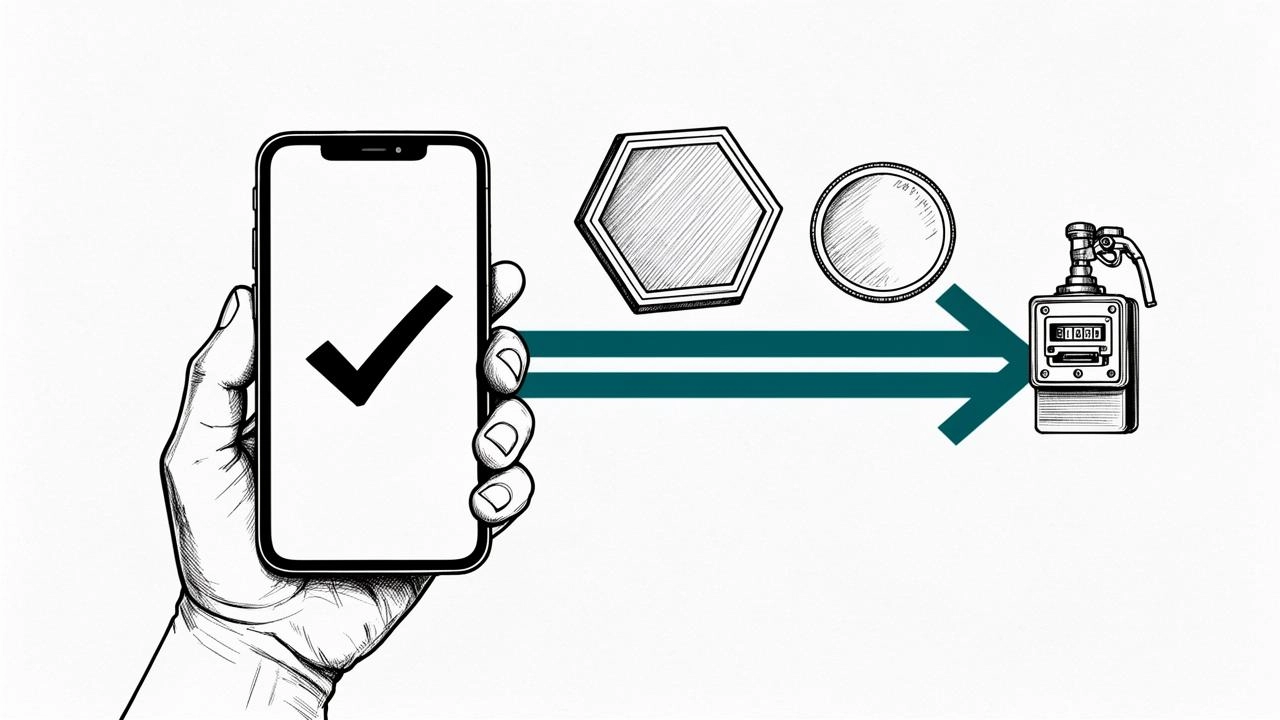
Ethereum network users may soon be able to pay transaction fees with stablecoins and other digital assets instead of ETH, as the proposal has been included in a major upgrade scheduled for 2027. The change would allow users to process transactions without holding Ethereum tokens in their wallets, easing one of the network’s long-standing barriers to entry.
According to CoinDesk, Ethereum core developers decided on the 27th of last month to include EIP-8141, known as “Frame Transactions,” in the “Hegotá” upgrade slated for 2027. Currently, all transaction fees on Ethereum must be paid in ETH. Even if a wallet holds sufficient stablecoins or other digital assets, users cannot transfer those assets without also holding Ethereum.
With Frame Transactions, the account that approves a transaction can be separated from the account that pays the fee. This enables scenarios where a payment application pays gas fees in ETH on behalf of the user, or receives stablecoins from the user and settles the corresponding amount as fees.
Vitalik Buterin, co-founder of Ethereum, said that “significant progress on Frame-related work has been quietly happening over the last few months.”
A Shift in Fee Payment Structure
The core objective of this plan is to relax the asset requirements users must meet to transact. However, this does not mean transactions will become free. The party paying the fee and the asset the network ultimately settles in should be viewed separately. Even if users no longer need to hold ETH, transactions will not become free, nor will ETH be removed from network fee settlement.
The most immediate effect of relaxing gas fee payment requirements is a reduction in onboarding friction. Users may no longer need to separately purchase ETH before interacting with smart contracts. This represents a change in payment flexibility, not a promise that gas fees themselves will decrease.
Specific details—including conversion costs, sponsorship contracts, supported wallets, eligible assets, and actual fee savings—have not yet been confirmed. Which benefits materialize will depend on details to be announced in the future.
Competitive Landscape and Remaining Challenges
The inconvenience of gas fee payments has long been a differentiator that competing blockchains have leveraged against Ethereum. Making fee payment methods more flexible is a change that could directly contribute to narrowing the user experience gap.
However, no launch timeline has been announced, and there are no phased milestones or deployment details. It remains unclear whether this work is at the proposal stage, in testing, an approved change, or an already-deployed feature. The scope of implementation is also unresolved. Whether it will apply to the Ethereum mainnet, be limited to Layer 2 networks, specific wallets, or particular applications has not been determined.
CoinMarketCap noted that it is appropriate to understand this plan as an effort to address a long-standing demand. Until the timing, mechanism, and supported assets are confirmed, it should not be viewed as a feature users can immediately leverage.
Once added, BigGo Finance appears first in Google Search Top Stories, so you get the broadest, most up-to-the-minute, and most comprehensive global financial news first.
Source: finance.biggo.com