



Don't want to trade it yourself?
Our desk runs DEX portfolios on profit share.
Currencies38614
Market Cap$ 2.57T+7.96%
24h Spot Volume$ 61.58B+27.1%
DominanceBTC56.62%-0.84%ETH10.97%+4.43%
ETH Gas0.33 Gwei
MarketRegulationAltcoinTop StoriesCrypto Regulation
Aug 20, 2026
4min read
byRupam Roy
forThe Coin Republic

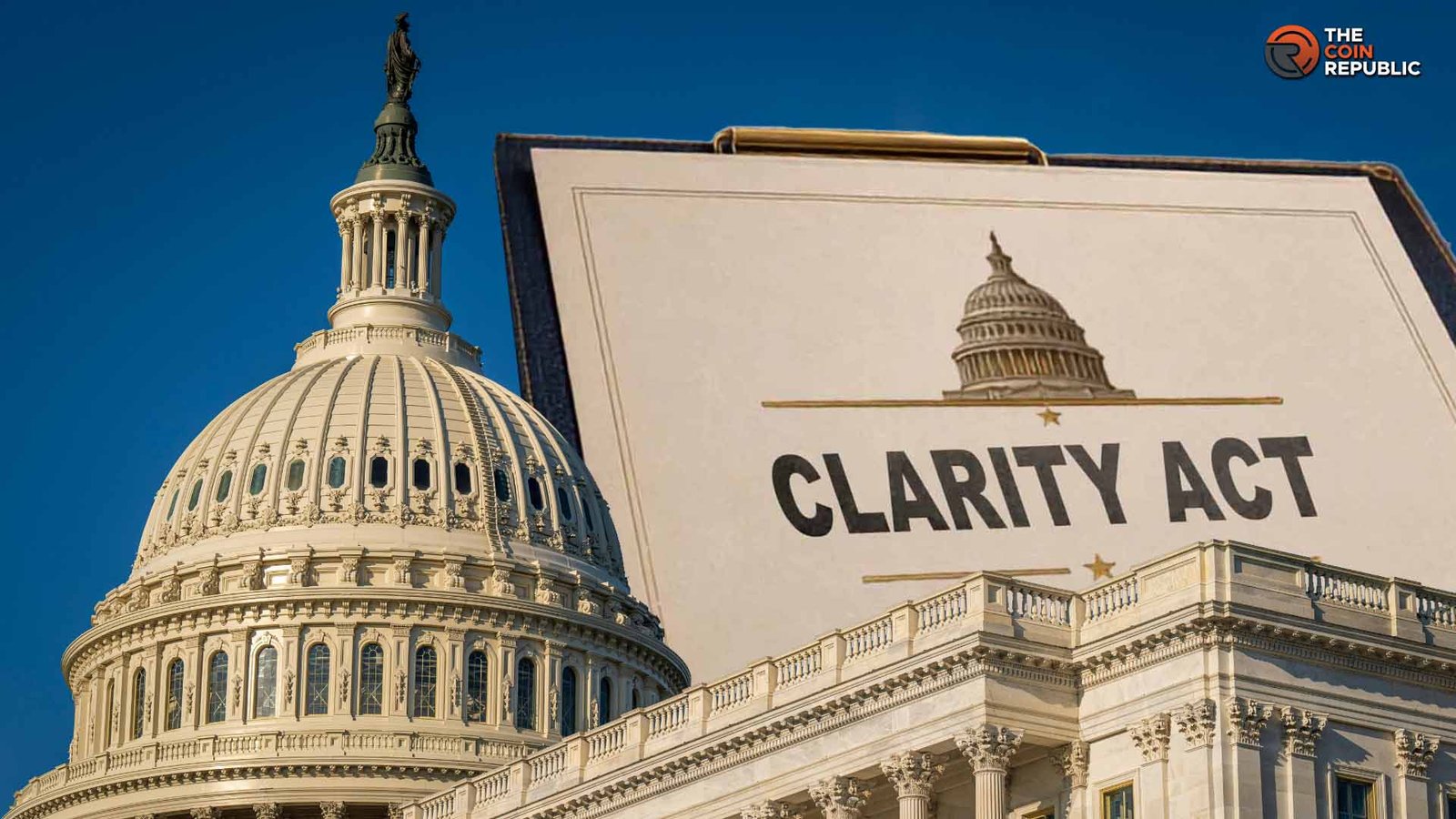
Sen. Ruben Gallego warned on Aug. 19 at the SALT Wyoming Blockchain Symposium that a rushed Senate procedural vote set for Sept. 15 could backfire and derail bipartisan negotiations over the CLARITY Act, raising risks for crypto regulation and stablecoin policy. The House approved H.R. 3633 on July 17, 2025 by 294-134, Senate Banking advanced an amended bill 15-9 on May 14, 2026 and a merged draft released July 22 still splits oversight between the SEC and CFTC, bars passive interest on payment stablecoin balances while allowing activity-based rewards, and leaves ethics, consumer-protection and market-structure disputes unresolved despite industry pressure from Coinbase and White House support.
See what traders are focused on
Key Insights:
- CLARITY Act News shifted toward unresolved ethics and stablecoin disputes.
- Gallego warned that premature Senate action could hurt bipartisan negotiations.
- The Sept. 15 procedural vote became the next legislative test.
Democratic Senator Ruben Gallego warned that a rushed Senate vote could damage negotiations over the CLARITY Act. His Aug. 19 remarks at the SALT Wyoming Blockchain Symposium targeted unresolved ethics and stablecoin-yield provisions. The CLARITY Act News placed the Senate’s Sept. 15 procedural vote at the center of the dispute.
The fight mattered because Senate passage would still leave lawmakers with bicameral work. The House passed an earlier version in July 2025, while Senate committees later rewrote key sections. Those differences affect federal oversight of digital commodities, stablecoin rewards, illicit-finance rules, and elected officials’ ethics.
CLARITY Act News Centers on Senate Timing
Gallego told the Wyoming conference that lawmakers should avoid forcing an early result before negotiations matured. He said premature action could set the legislation back rather than speed final passage. Cointelegraph’s recording of the event captured his warning during a panel discussion on Wednesday.
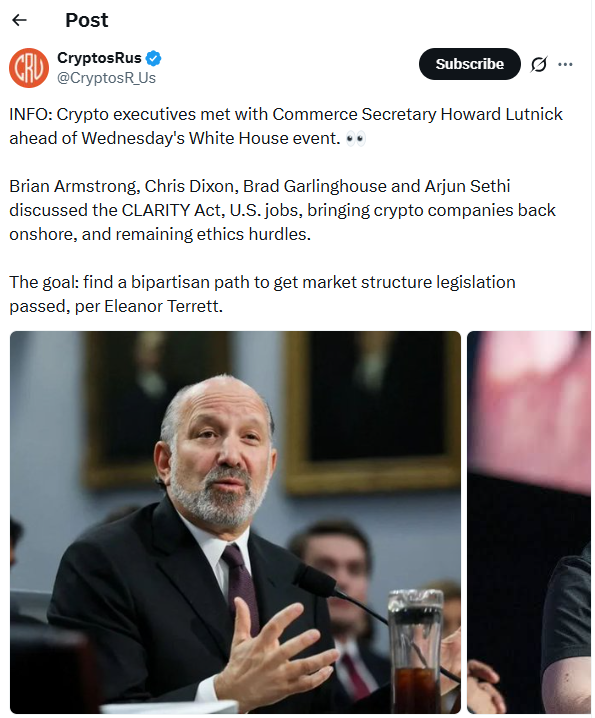
Gallego also said he and Republican Senator Thom Tillis had sent compromise ethics language to the White House. He said the administration had not delivered a detailed response before Congress left for recess. That issue remained central to Democratic support for the measure.
Seven Senate Democrats had already rejected the Republican draft released on July 22. Gallego’s office said the group sought stronger ethics, consumer protection, illicit finance, conflicts of interest, and market integrity provisions. The senators said negotiations would continue despite their opposition to that text.
President Donald Trump pushed in the opposite direction on Aug. 19. At a White House meeting, Trump urged Congress to pass a “fair version” of the bill. Reuters reported that the administration wanted lawmakers to establish clearer federal rules for digital assets.
The Vote Follows Months of Committee Work
The legislative path began with House passage of H.R. 3633 on July 17, 2025. House Clerk records showed representatives approved the bill 294-134, with 78 Democrats joining 216 Republicans. The measure later moved to the Senate Banking, Housing, and Urban Affairs Committee.
Senate Banking advanced its amended CLARITY Act bill 15-9 on May 14, 2026. Chairman Tim Scott said the committee’s text created clearer digital-asset rules and stronger consumer safeguards. The committee vote sent the Banking version toward Senate floor consideration.
The Senate Agriculture Committee handled a separate part of the market-structure framework. Chairman John Boozman said his committee advanced the Digital Commodity Intermediaries Act in January 2026. That proposal gave the Commodity Futures Trading Commission new spot-market authority over digital commodities.
Senator Cynthia Lummis released a merged draft on July 22. Her office said the text combined work from the Banking and Agriculture committees. The draft also contained sections on stablecoin yield and ethics, two areas that are still driving negotiations.
The Banking Committee’s section-by-section summary showed that the draft barred passive interest on payment stablecoinbalances. It allowed certain activity-based rewards under joint rules from federal regulators. That distinction kept stablecoin yield policy inside the Senate negotiations.
CLARITY Act News Turns to Ethics and Industry Pressure
Coinbase Chief Executive Brian Armstrong backed the passage after Trump’s White Houseevent. In an Aug. 19 post, Armstrong said regulators and Congress were aligned around completing the legislation. His message increased industry pressure as senators remained divided over the final text.
The policy stakes extend beyond political timing. The merged Senate proposal would split oversight between the Securities and Exchange Commission and the Commodity Futures Trading Commission. It also created registration, disclosure, and consumer-protection requirements across portions of the digital-asset market.
Still, agency action cannot fully replace the CLARITY Act legislation. Reuters reported on Aug. 18 that Trump-appointed regulators were advancing crypto rules while Congress remained divided. Those measures could face revision under later administrations because agencies operate within existing statutory authority.
CLARITY Act Vote Faces Sept. 15 Procedural Test
Senate Majority Leader John Thune filed cloture on the motion to proceed to H.R. 3633 on Aug. 8. The Senate’s official cloture record confirmed the filing before lawmakers departed for recess. That move positioned the bill for floor action when senators returned.
The Senate Democratic floor schedule said the cloture motion would ripen at 2:15 p.m. on Sept. 15. That clarity act vote concerns whether the Senate proceeds to the bill, not final passage. Negotiators, therefore, had several weeks to address ethics, stablecoin yield, and remaining text disputes before the procedural test.
Source: cryptorank.io