

Don't want to trade it yourself?
Our desk runs DEX portfolios on profit share.
Add to Google Preferred Sources
Bitcoin‘s recent rally has been driven largely by short covering rather than fresh leveraged positions, according to QCP Research. Open interest has declined as prices rose, suggesting traders are exiting bearish bets. Spot ETF inflows remain strong, reaching the 95th percentile of the past year, but QCP warns the rally could falter if new demand fails to replace the fading short-covering effect. Strategy raised $2.01 billion without adding to its 840,447 BTC holdings, instead building a $1.59 billion cash reserve. Macroeconomic factors add uncertainty, including a hawkish minority at the Federal Reserve, Kevin Warsh’s upcoming Jackson Hole speech, and Treasury buyback plans that weakened the dollar. Energy market tensions around the Strait of Hormuz present an additional risk. Bitcoin may stay range-bound into the September Fed meeting as the market tests whether current demand can sustain the advance.
Key Elements
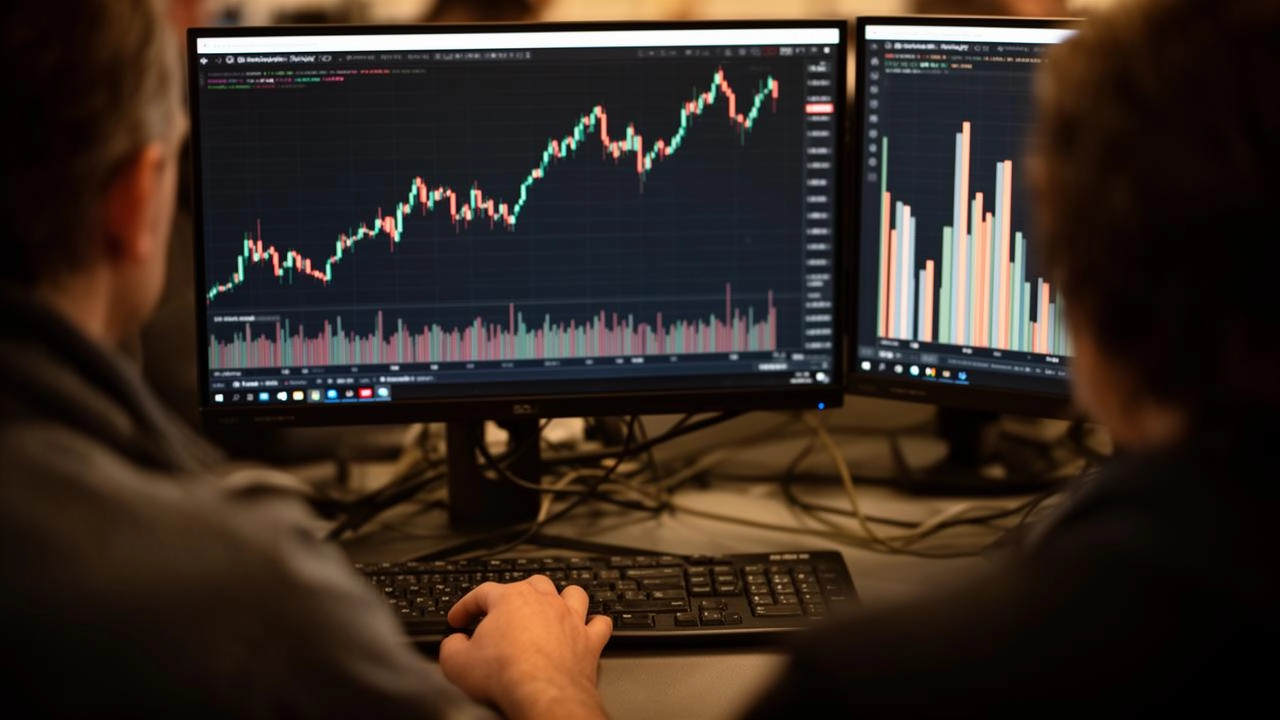
Bitcoin’s latest advance has been powered less by fresh bullish conviction than by traders unwinding bearish bets, a dynamic that could leave the rally exposed once that fuel is exhausted
The trading desk pointed to a telling divergence: as the cryptocurrency climbed, open interest in futures markets actually declined. That pattern suggests investors were closing out short positions rather than piling into new leveraged longs. When shorts close, they must buy Bitcoin to exit their trades, which temporarily props up the price while shrinking the total number of outstanding contracts.
The concern, QCP noted, is that this effect is inherently self-limiting. Once most of the short positions have been covered, the rally needs a newzes depends heavily on spot demand
On that front, the picture is more encouraging. Inflows into spot Bitcoin ETFs have surged to roughly the 95th percentile of the trailing 12 months, indicating unusually strong appetite from investors seeking direct exposure. QCP said the persistence of this spot demand will be critical in determining whether the rally can extend beyond the short-covering phase.
Strategy Sits Out the Rally
Even as Bitcoin advanced, Strategy (MSTR) chose not to expand its already massive holdings. The company raised approximately $2.01 billion through an at-the-market equity sale between August 17 and 23, yet its Bitcoin balance remained flat at 840,447 BTC for a second consecutive week.
Instead of deploying the fresh capital into the market, Strategy built a $1.59 billion flexible cash reserve, lifting its total dollar-denominated assets to $6.69 billion. The average acquisition cost of its Bitcoin position stands at $75,385 per coin.
QCP interpreted the move as a liquidity management decision rather than a pause in conviction. The cash buffer, the firm suggested, provides support for the company’s preferred stock obligations and preserves flexibility in the event of shareholder dilution.
The decision marks a notable shift in behavior for the company, which has historically been among the most aggressive corporate accumulators of Bitcoin. Its restraint during a rally may signal that even the most committed buyers are weighing broader liquidity considerations against further accumulation.
Macro Backdrop Adds Uncertainty
Beyond market structure, macroeconomic signals continue to inject volatility into the equation. Minutes from the July Federal Open Market Committee meeting revealed a 9-3 vote to hold rates steady, with three officials pushing for a 25-basis-point increase. QCP characterized the split as evidence of a hawkish contingent within the central bank that has not fully retreated.
Attention now shifts to Kevin Warsh’s appearance at the Jackson Hole symposium on Friday. No specific policy guidance has been promised, but markets will parse his remarks for any signal on the trajectory of interest rates.
On the Treasury side, Secretary Scott Bessent announced plans to double the maximum size of long-term government bond buybacks to $4 billion per operation starting September 9. The announcement drove Treasury yields lower and pushed the U.S. dollar to a three-month low.
QCP described the buyback program as a liquidity overlay rather than a structural policy shift. Still, the combination of a weaker dollar and the persistence of elevated long-term yields could prove supportive for Bitcoin and gold, particularly as fiscal concerns linger in the background.
Energy Markets Emerge as a Wildcard
A separate risk is brewing in energy markets. QCP flagged that only two tankers passed through the Strait of Hormuz on August 25, a sharp decline that underscores escalating tensions around Iran. The U.S. Strategic Petroleum Reserve fell by 3.7 million barrels to 289.7 million, a level that sits 10.3 million barrels below the stress threshold the trading desk monitors.
Supply disruptions in the region could ripple through global markets, adding another layer of uncertainty for risk assets including cryptocurrencies.
Near-term catalysts include Thursday’s initial jobless claims report and Warsh’s Friday remarks. With the September Federal Reserve meeting approaching, Bitcoin could remain range-bound as traders assess whether current demand levels are sufficient to carry the rally forward without the tailwind of short covering.
The central question, as QCP framed it, is straightforward: when the shorts finish closing, will new buyers show up?
Once added, BigGo Finance appears first in Google Search Top Stories, so you get the broadest, most up-to-the-minute, and most comprehensive global financial news first.
Source: finance.biggo.com