

Don't want to trade it yourself?
Our desk runs DEX portfolios on profit share.
Add preferred source
Zcash mining has become nearly four times more profitable per megawatt-hour than <a href="https://xpertsstudio.com/why-is-bitcoin-dropping-today/” title=”Why Is Bitcoin Dropping Today?”>Bitcoin mining, with an Antminer Z15 Pro generating about $708 in gross revenue per MWh versus $179 for a Bitcoin-focused S23 Pro. The shift follows ZEC’s rally above $1,000, catalyzed by Grayscale’s ZCSH ETF launch on NYSE Arca, which attracted over $70 million in net inflows and pushed assets under management past $500 million. Industrial miners including Cypherpunk Technologies and Foundry USA have deployed significant resources to Zcash, driving the network’s sol rate up more than 20% in weeks. Bitcoin miners face margin compression, with Canaan reporting steep revenue declines and many operators pivoting to AI workloads that yield approximately $941 per MWh. The sustainability of Zcash’s advantage depends on price stability, hashrate growth, and broader market conditions.
Key Elements
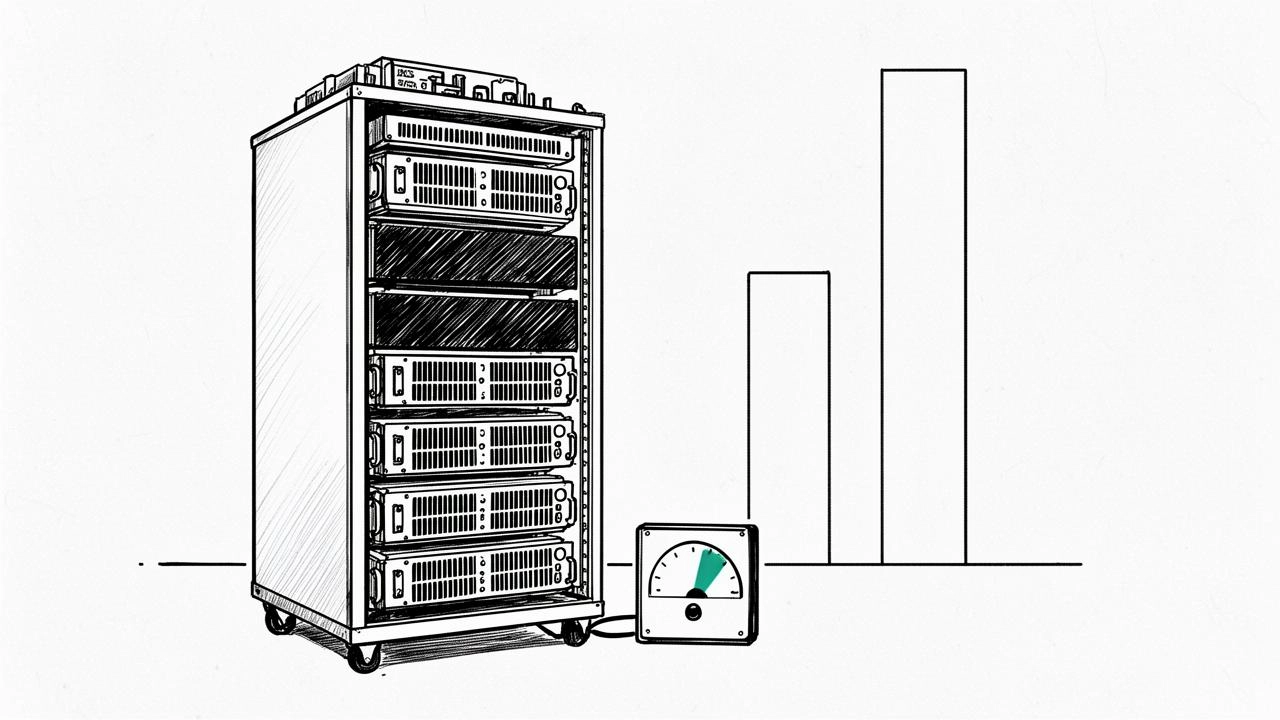
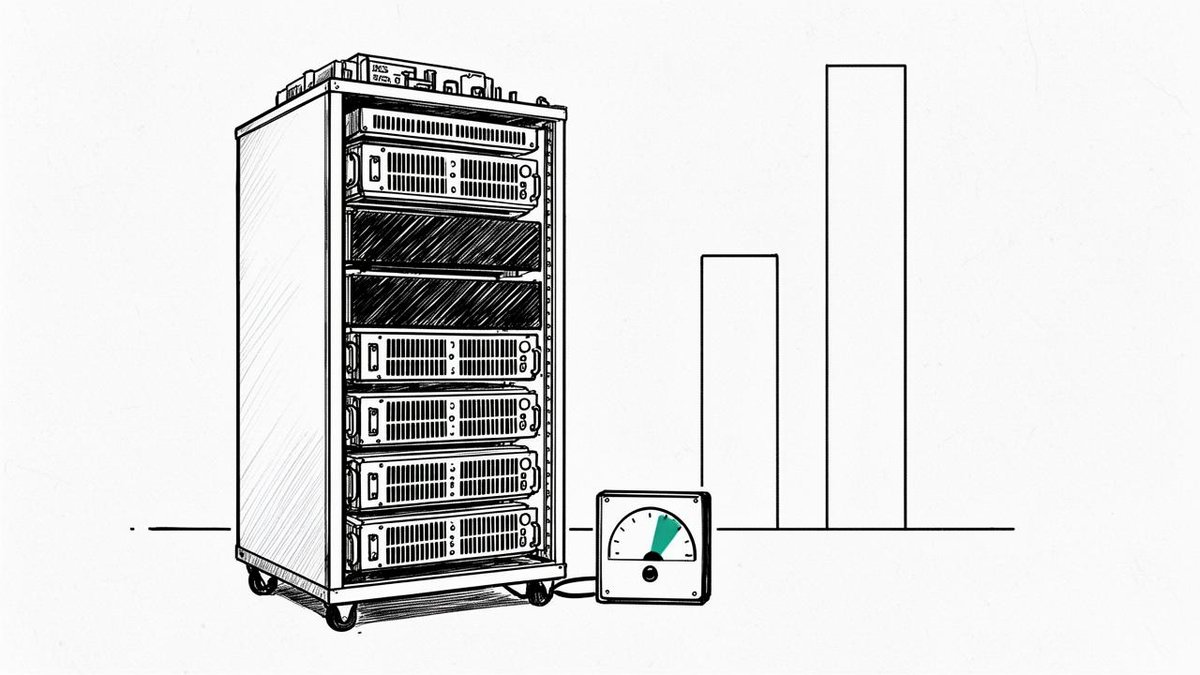
The economics of cryptocurrency mining have shifted dramatically in favor of Zcash, with the top mining rig for the privacy-focused token now generating nearly four times more gross revenue per megawatt-hour of electricity than the best available Bitcoin machine. The disparity is pulling industrial miners away from Bitcoin at a time when the world’s largest cryptocurrency is struggling with margin compression and stagnant hashrate growth.
An Antminer Z15 Pro mining Zcash produced approximately $708 in gross revenue per MWh in early September, according to data cited by multiple industryjust $179 over the same measure, while the older S21 Pro managed only $113.45. The ratio of roughly 3.96 to 1 underpins the “four times more” figure now circulating among mining operators
The revenue gap reflects ZEC’s extraordinary price rally. The token crossed $1,000 for the first time on September 4 and has since traded near $1,150 to $1,180, with a market capitalization around $20 billion. That represents a gain of roughly 138% over the past month and has propelled Zcash into the top 10 cryptocurrencies by market value.
Grayscale’s conversion of its Zcash Trust into an exchange-traded fund provided the initial catalyst. ZCSH began trading on NYSE Arca on August 25, making it the first U.S. product offering spot exposure to a privacy coin. Within two weeks, the fund’s assets under management exceeded $500 million, according to Grayscale. The figure includes approximately $100 million from DCG International Investments, an affiliate of Grayscale’s parent Digital Currency Group, which exchanged 85,705.33 ZEC for shares.
Grayscale reported cumulative inflows of more than $70 million in the fund’s first two weeks, excluding the DCG contribution. The distinction matters: the affiliate transaction increased fund scale without creating equivalent spot-market demand, while genuine inflows represent new investor interest that can tighten available supply.
Industrial miners have moved quickly to capture the opportunity. On August 18, Cypherpunk Technologies announced a $33.33 million operation with Winklevoss Capital to build what it describes as the world’s largest Zcash mining fleet. The deployment reaches approximately 4.2 GSol/s, representing nearly 18% of the network’s total sol rate at the time of the announcement. The company holds nearly 2% of the ZEC supply and has stated a goal of reaching 5%.
Foundry USA, already a major Bitcoin mining infrastructure provider, launched an institutional-grade Zcash pool earlier this year. The service targets companies and professional miners with KYC, AML procedures, and corporate reporting. Fortitude Mining Holdings, another DCG subsidiary, purchased a 12.5-megawatt site in Nebraska to expand its operations.
The influx of new machines is already visible in network metrics. Zcash’s sol rate climbed from approximately 25 GSol/s at the end of August to more than 30 GSol/s by early September, an increase of more than 20% in a matter of days. That rapid expansion explains why Z15 Pro revenue declined about 3% from its August peak of $727.30 per MWh even as ZEC’s price continued rising: the fixed monthly reward of roughly 43,800 ZEC must now be divided among more computing power.
“A high yield precisely attracts what eventually reduces it: new competitors,” the analysis noted.
The comparison is not a measure of net profit. Electricity, hosting, maintenance, depreciation, and pool fees must all be deducted. At $0.05 per kWh, the Z15 Pro’s daily energy cost is slightly more than $3.30; at $0.10, the bill rises to about $6.70. The machine produces roughly $47 in daily gross revenue at current rates.
Bitcoin miners, meanwhile, are navigating a difficult year. Canaan reported second-quarter mining revenue of $17.7 million, down from $28.1 million a year earlier, alongside a net loss of $97.6 million. The company’s third-quarter revenue guidance fell to as little as $11 million. JPMorgan estimated in June that 15% to 20% of Bitcoin miners were operating at a loss under conditions at that time.
Bitcoin’s hashprice has improved by 22.24% over the past month to $39.63 per PH/s per day, but hashrate has not followed the recovery. Many operators are instead directing electricity toward artificial intelligence workloads, which generate approximately $941 per MWh in some configurations — above both Zcash and Bitcoin. Riot Platforms reportedly signed a $9 billion, 20-year compute deal with Anthropic in late August, while Bitdeer struck a 16-year arrangement.
The competitive landscape now spans three markets — Bitcoin, Zcash, and AI cloud computing — all competing for the same constrained reonger which cryptocurrency is most valuable, but which computing load best converts a megawatt into dollars today. On that metric, Zcash currently holds a clear advantage over Bitcoin, though AI workloads remain the most lucrative option where infrastructure allows
The sustainability of Zcash’s mining advantage depends on several variables. ZEC’s price must hold its recent gains, the sol rate cannot accelerate too quickly, Z15 Pro hardware costs must remain manageable, and electricity prices cannot spike. The window could close as rapidly as it opened.
Two near-term catalysts will test demand. The NU7 community poll closes on September 14 at 19:00 UTC, offering a signal on whether the Zcash community supports the next network upgrade, which includes proposals to cut block time from 75 seconds to 25 seconds and modify the issuance schedule. The Federal Reserve then meets on September 15-16, with its statement, projections, and press conference due on September 16. Markets have raised expectations for an interest-rate increase following the latest U.S. inflation report.
After such a rapid advance, a broader risk-off move could make ZEC more sensitive to selling pressure. The $1,070 level — the 23.6% Fibonacci retracement of the June-to-September advance — has emerged as the first clear support reference. A daily close below that level could bring the $930 area into focus, while a sustained move through the $1,200-$1,220 supply zone would put the September peak near $1,297 back in play.
For Bitcoin miners weighing the switch, the calculation is stark but nuanced. Zcash currently yields far more per megawatt-hour. Bitcoin remains a much deeper industry with greater liquidity and institutional infrastructure. And AI pays even more in certain configurations. The decision ultimately comes down to which use of electricity offers the best risk-adjusted return — and for the first time in years, Bitcoin is not the obvious answer.
Once added, BigGo Finance appears first in Google Search Top Stories, so you get the broadest, most up-to-the-minute, and most comprehensive global financial news first.
Source: finance.biggo.com