


Don't want to trade it yourself?
Our desk runs DEX portfolios on profit share.
Currencies38948
Market Cap$ 2.71T-0.92%
24h Spot Volume$ 34.03B+45.7%
DominanceBTC57.67%+0.02%ETH10.88%+0.18%
ETH Gas0.16 Gwei
Forex NewsAnalysisGoldPrecious MetalsSilverDollar
Aug 31, 2026
3min read
byJayshree
for<a href="https://xpertsstudio.com/why-is-<a href="https://xpertsstudio.com/bitcoin-price-gains-24-in-best-august-since-2017/” title=”Bitcoin price gains 24% in best August since 2017″>bitcoin-price-down-today/” title=”Why is Bitcoin price down today?”>Bitcoin World
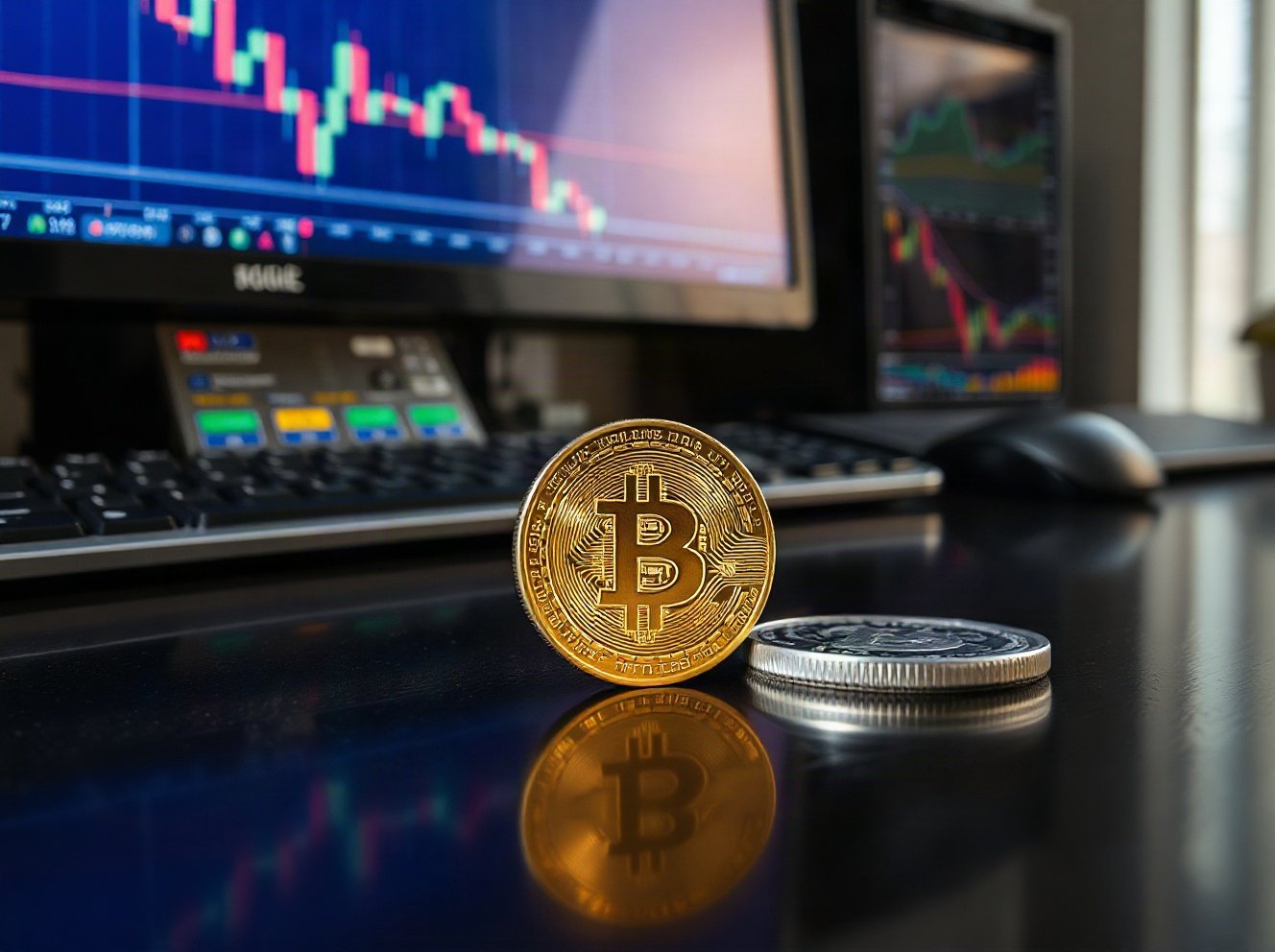
On Friday a surge in the US dollar drove a sharp decline in gold and silver, illustrating the classic inverse relationship as higher dollar strength and expectations of tighter monetary policy reduced demand for non-yielding assets. The move signals broader macro risk for allocators and could weigh on other speculative stores of value, including crypto and DeFi tokens, so traders should monitor interest-rate cues, inflation data and dollar trajectory for implications to DEX/CEX flows and token performance.
See what traders are focused on
Gold and silver prices experienced a sharp decline on Friday, driven by a significant surge in the US dollar, which pressured precious metals across the board. The move reflects a broader shift in market sentiment as investors gravitate toward the greenback, reducing demand for alternative assets like gold and silver.
Why Did Gold and Silver Fall?
The primary catalyst behind Friday’s sell-off was the dollar’s strength, which typically has an inverse relationship with precious metals. As the dollar index climbed, gold and silver became more expensive for holders of other currencies, dampening demand. This dynamic is a classic driver in the commodities market, and Friday’s action was a textbook example of that correlation.
While the exact percentage declines were not specified in the provided data, the move was significant enough to catch the attention of traders and analysts. The drop underscores how sensitive precious metals are to currency fluctuations, particularly in a period of economic uncertainty.
Market Context and Implications
Friday’s decline occurs against a backdrop of shifting expectations for monetary policy. A stronger dollar often signals that investors expect higher interest rates or a more hawkish stance from central banks, which can reduce the appeal of non-yielding assets like gold and silver. This dynamic is crucial for investors to monitor, as it can influence portfolio allocation decisions.
For those holding physical metals or mining stocks, the move serves as a reminder of the volatility inherent in this asset class. While gold is often viewed as a safe haven, its price is still subject to macroeconomic forces, including currency movements and real interest rates.
What Should Investors Watch Next?
Investors should keep an eye on upcoming economic data and central bank communications for clues about the dollar’s trajectory. A sustained dollar rally could put further pressure on precious metals, while any signs of dollar weakness could offer a reprieve. Additionally, geopolitical events and inflation data will likely play a role in shaping sentiment in the coming weeks.
The key takeaway is that gold and silver remain highly responsive to dollar movements, and Friday’s action is a clear example of that relationship. For long-term investors, this volatility underscores the importance of diversification and a clear understanding of the factors driving the market.
Conclusion
Friday’s decline in gold and silver, triggered by a surging US dollar, highlights the ongoing interplay between currencies and precious metals. While the move may be concerning for short-term traders, it is a normal part of the market’s dynamics. Staying informed about macroeconomic indicators will be essential for navigating future price movements.
Q1: Why do gold and silver prices drop when the dollar strengthens?
A stronger dollar makes gold and silver more expensive for international buyers, reducing demand. Additionally, a robust dollar often signals higher interest rates, which increases the opportunity cost of holding non-yielding assets like precious metals.
Q2: Is this decline a sign of a long-term trend?
It’s too early to tell. Friday’s move is a single-day reaction to currency movements. Long-term trends will depend on broader economic factors, including inflation, interest rates, and geopolitical stability.
Q3: Should I sell my gold or silver investments?
Investment decisions should be based on your financial goals, risk tolerance, and portfolio strategy. Short-term price fluctuations are normal, and many investors hold precious metals as a hedge against inflation or market uncertainty. Consult a financial advisor for personalized guidance.
Source: cryptorank.io