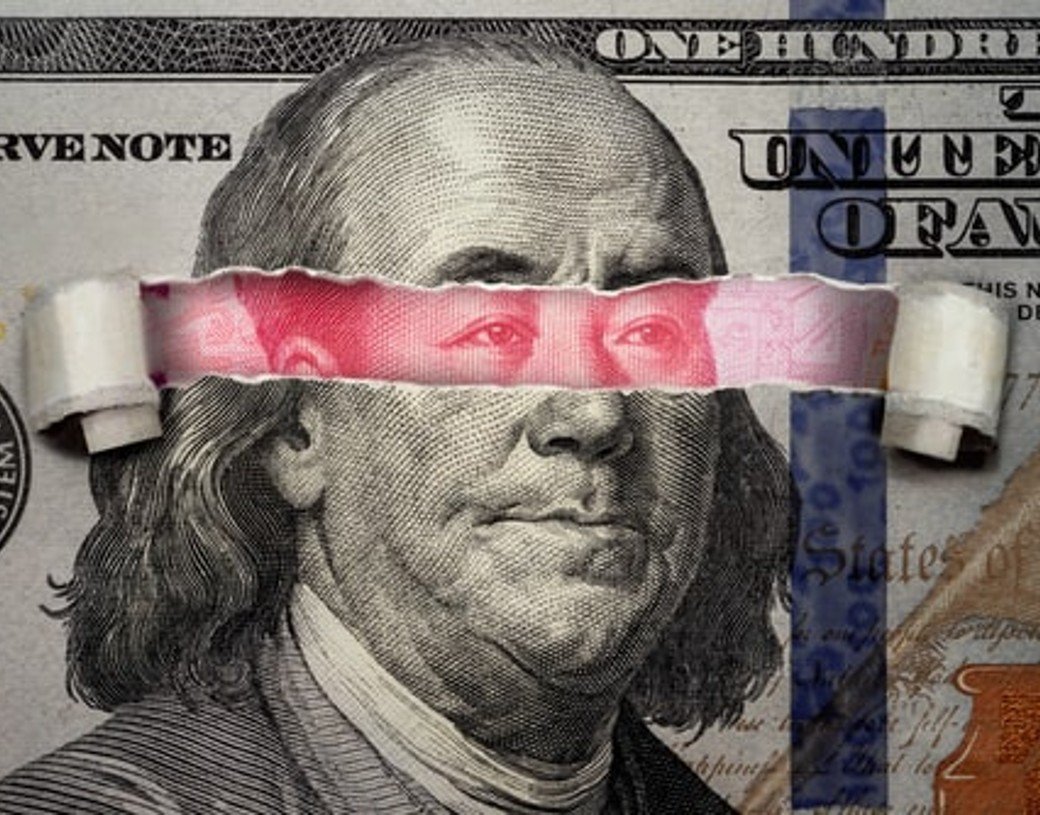
The Iran-Israel war is testing the limits of the US dollar, with the Strait of Hormuz being closed for more than a week. Only a handful of selected countries are allowed entry, while the others face a blockade. Iran announced last week that ships can pass through the Strait if oil payments are made in the yuan. This can lead to the petroyuan becoming a reality, which BRICS has been pursuing for three years.
This is seen as a rare opportunity for BRICS, where it’s the only chance to push the petroyuan global order. “The conflict could be the catalyst for erosion in petrodollar dominance and the beginnings of the petroyuan,” said Mallika Sachdeva, a strategist at Deutsche Bank. This gives the Chinese currency more leverage and control over the situation than the US dollar.
Also Read: BRICS Payment To Use Digital Clearing Mechanism of Local Currencies
BRICS Petroyuan: Why This Matters During the Current Times
Iran is an official member of the BRICS alliance, and China is its biggest consumer of oil, which eventually powers the petroyuan thesis. The faultlines in the petrodollar are emerging as being dependent on the US, leading to an energy crisis. The world’s most powerful nation is unable to find a solution to the flow of the Strait of Hormuz.
The decline of the petrodollar regime could have “significant downstream effects,” said Sachdeva. The ripple effect includes the US dollar’s use in global trade and savings. In addition, its structure as the world’s reserve currency would also come into question. On the other hand, BRICS member China is boosting the usage of the petroyuan, challenging the global order.
If the war in the Middle East fails to de-escalate, the BRICS petroyuan could shape the next generation. Countries in Asia would settle oil payments in the yuan to receive energy supply, which is already facing shortages across their countries. The next few months play a crucial role as the balance of the world order is tilting.