

Don't want to trade it yourself?
Our desk runs DEX portfolios on profit share.
Add to Google Preferred Sources
Bitcoin remains range-bound, blocked by spot sell orders near the $81,000 level. Futures market leverage has fallen to a five-month low, but concentrated supply from long-term holders in the $83,000–$86,000 zone is acting as formidable resistance. Despite roughly $731 million in net inflows into U.S. spot Bitcoin ETFs on the 3rd, the price failed to close higher. The next directional catalyst will likely be the U.S. August jobs report and whether the 30-year Treasury yield can hold below its August peak. The Treasury Department’s expanded long-duration bond buyback program is also being watched as a variable that could influence the long-end yield trajectory.
Key Elements
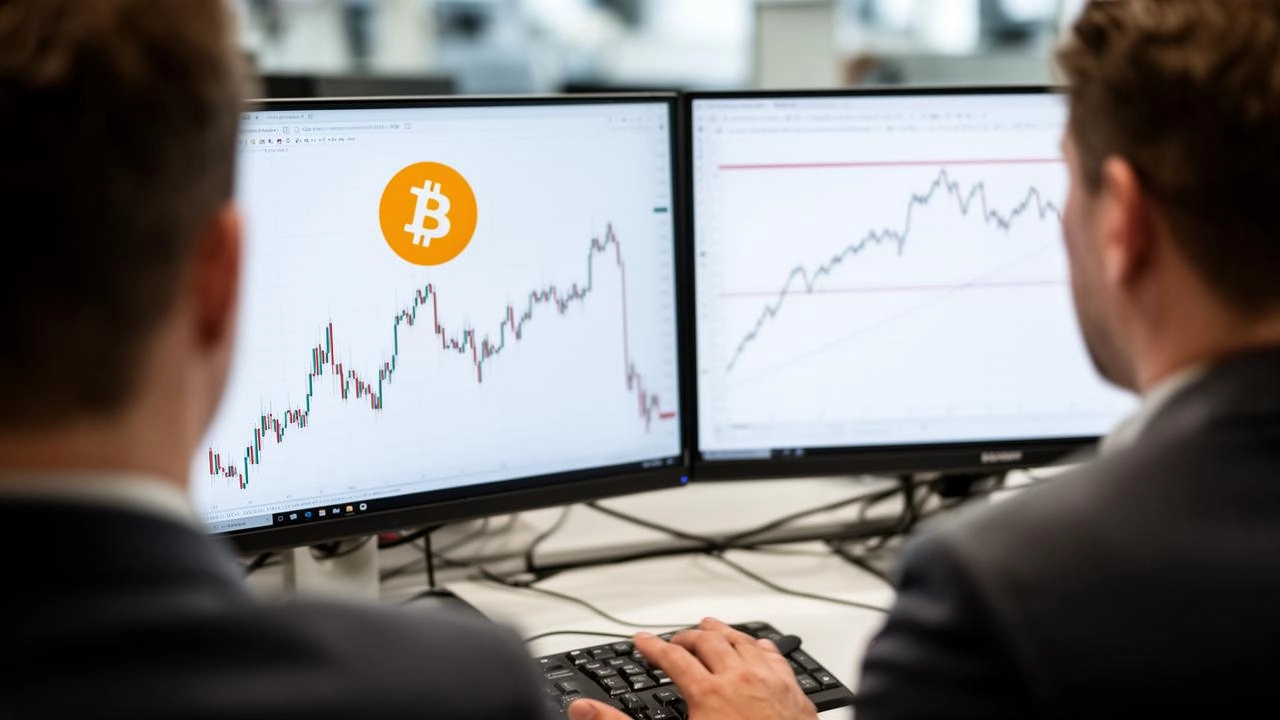
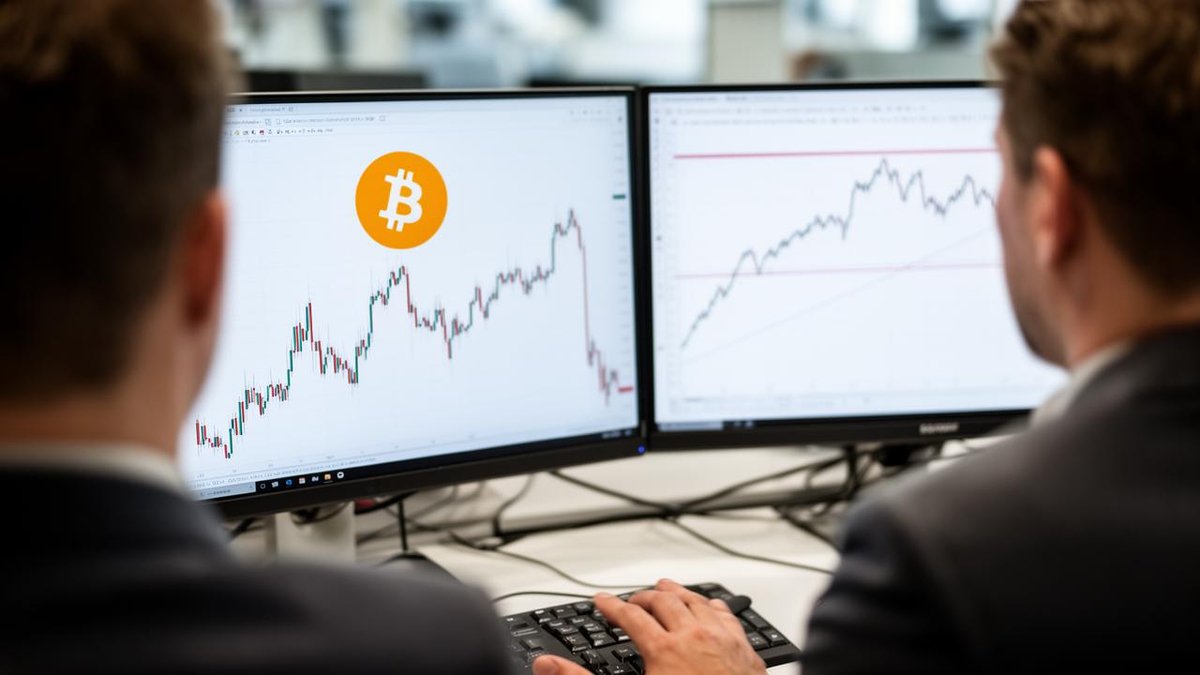
Bitcoin is struggling to extend its rally, capped by spot sell orders stacked near the $81,000 level. While leverage pressures have eased considerably, profit-taking near recent highs has repeatedly emerged, keeping the price locked in a trading range. Market participants now broadly agree that U.S. employment data and long-term Treasury yields will be the key variables determining the next directional move.
On the 4th, crypto trading firm QCP Capital noted in a market report that “the current constraint on Bitcoin is not excessive long leverage but rather spot selling pressure near the $81,000 level.” Bitcoin traded this week in a range of roughly $76,700 to $81,500, with two separate attempts to push through the $81,000–$86,000 zone both rejected.
Futures market leverage is assessed as relatively low. Bitcoin futures open interest (OI) sits near a five-month low, and the share of open interest collateralized by crypto assets accounts for only about 11% of the total. Funding rates also remain below 10% on an annualized basis.
Spot flows, by contrast, are turning positive again. U.S. spot Bitcoin exchange-traded funds (ETFs) saw net outflows of approximately ₩270 billion (approximately $199.9 million) on the 28th of last month and roughly ₩320 billion (approximately $236.9 million) on the 1st, before reversing to net inflows of about ₩140 billion (approximately $103.6 million) on the 2nd and approximately ₩990 billion (approximately $732.9 million) on the 3rd. On the 3rd alone, BlackRock’s IBIT took in roughly ₩610 billion (approximately $451.6 million).
QCP Capital emphasized that “it is significant that Bitcoin failed to close at a higher price despite $731 million in ETF net inflows,” adding that “substantial sell orders remain near the highs.”
U.S. Jobs Report and the Fed’s Rate Path
The market is on high alert for the U.S. August jobs report released today. Consensus expectations call for nonfarm payrolls to rise by roughly 50,000 and the unemployment rate to come in at 4.1%. A weaker-than-expected print could dampen expectations for a September rate hike, while a stronger number could reinvigorate tightening bets.
On the 3rd, Federal Reserve Governor Christopher Waller signaled that he was leaning toward holding rates steady at the September 15–16 FOMC meeting, contingent on August inflation data continuing its disinflationary trend. Following his remarks, the market-implied probability of a September rate hike fell from around 63% to roughly 50%, and the U.S. 10-year Treasury yield declined about 3.6 basis points to 4.758%.
Bitcoin bounced sharply from around $76,900 during the session, briefly topping $82,000 on some exchanges. However, it was subsequently pushed back to around $81,000, leaving the question of whether resistance can be broken unresolved.
Glassnode researcher Frederik Taysen noted that the mid-August short squeeze propelled Bitcoin into the $80,000 zone, but the rally stalled in the $83,000–$86,000 range where long-term holder supply is concentrated. According to Glassnode data, 68% of Bitcoin supply was in profit at late-August price levels, up from 65% in May. As the share of supply in profit grows, so too does the pool of coins available to be sold.
Long-Term Yields Matter More
QCP Capital argued that the trajectory of U.S. long-term Treasury yields may matter more for Bitcoin’s direction than the policy rate itself. Specifically, the firm said that “over the next two weeks, the more important question is not the level of the federal funds rate but whether the U.S. 30-year Treasury yield can remain below its August peak.”
On the 9th, the U.S. Treasury Department will conduct its first buyback after expanding the long-duration bond repurchase cap from $2 billion to at least $4 billion. QCP Capital expects this measure to be the next test of whether the long-end market’s liquidity and yields can be meaningfully affected.
Glassnode also pointed out that the rapid rebound in Treasury yields coincided with Bitcoin’s failure to hold above $80,000. After the Treasury’s buyback announcement on August 19, the 10-year yield briefly approached 4.6% before climbing back to 4.8% within eight trading sessions. This rebound in yields tightened financial conditions and limited the recovery in risk assets, the firm explained.
Meanwhile, Grayscale’s head of research, Zach Pandl, noted that Bitcoin’s 90-day correlation with the Nasdaq 100 has fallen to roughly 33%, down from levels that previously exceeded 60%. Instead, its correlation with gold has risen from near zero at the start of the year to above 50%. Pandl interpreted this as a sign that investors are once again turning their attention to scarce assets amid persistent fiscal deficits and rising debt-servicing costs.
Bitcoin’s key support levels are identified at around $71,000 — the average cost basis of short-term holders — and the $62,000–$65,000 zone below that. In the options market, open interest on September 25 expiries across Deribit and BlackRock’s IBIT combined totals approximately $14 billion, with a substantial portion positioned above the $80,000 strike, making it another key reference point for volatility.
Once added, BigGo Finance appears first in Google Search Top Stories, so you get the broadest, most up-to-the-minute, and most comprehensive global financial news first.
Source: finance.biggo.com