


Don't want to trade it yourself?
Our desk runs DEX portfolios on profit share.
Currencies38969
Market Cap$ 2.71T-0.32%
24h Spot Volume$ 32.79B-4.18%
DominanceBTC57.55%-0.34%ETH10.90%+0.52%
ETH Gas0.10 Gwei
Forex NewsBitcoinMarketEthereumRippleETF Inflows
Sep 1, 2026
3min read
byJayshree
forBitcoin World
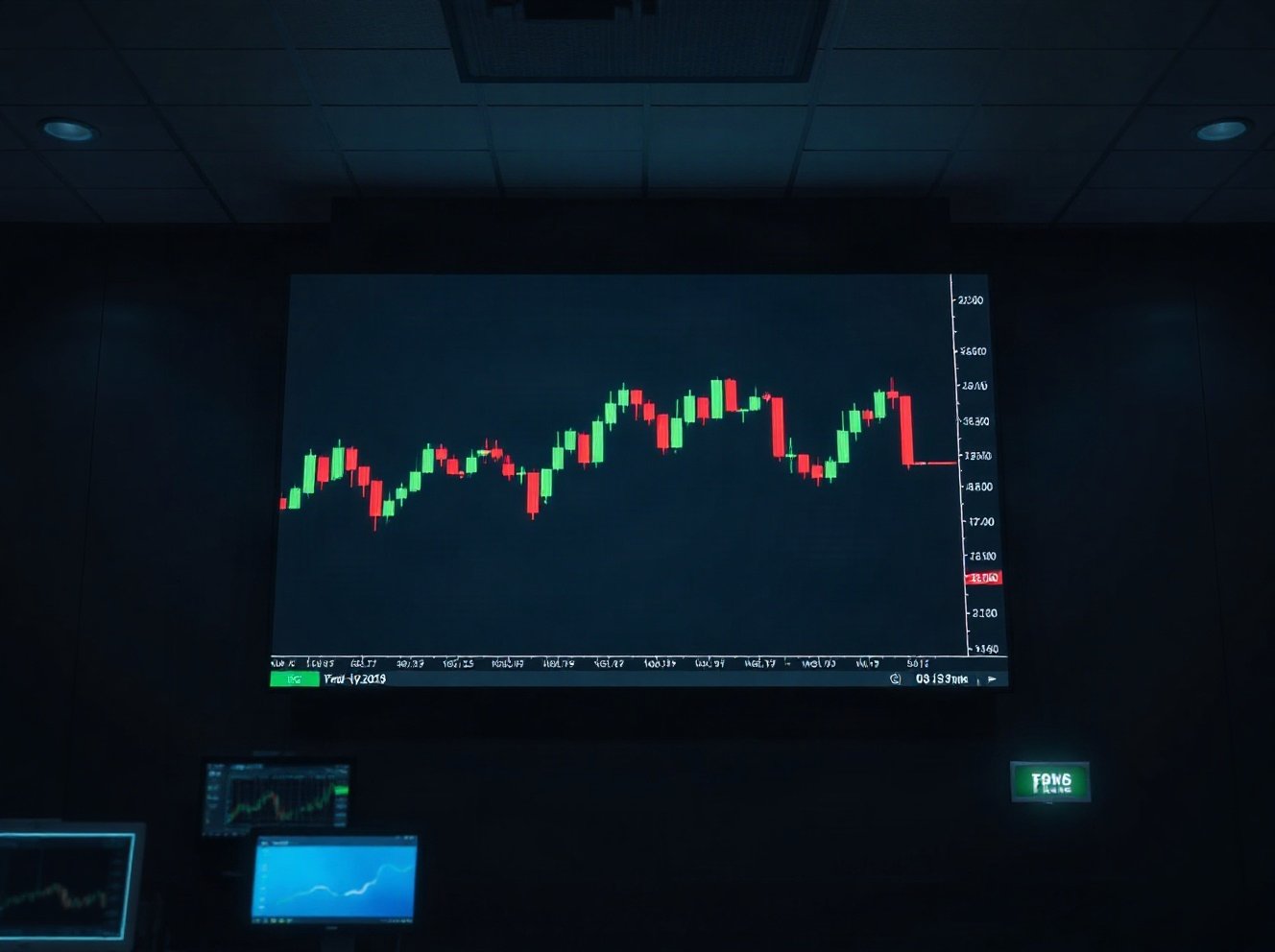
Despite continued spot Bitcoin ETF inflows over the past week, Bitcoin, Ethereum and XRP remain range-bound and have failed to extend recent gains, highlighting a disconnect between institutional accumulation via ETFs and broader crypto market momentum. Macroeconomic uncertainty, unclear U.S. regulatory signals and short-term profit-taking have driven consolidation and low implied volatility on Bitcoin options, while long-term holders keep accumulating; traders are watching the Federal Reserve meeting and the April 2024 Bitcoin halving as potential catalysts for crypto adoption, DeFi and CEX/DEX liquidity.
See what traders are focused on
Bitcoin, Ethereum, and XRP are failing to extend recent gains on [Date], despite continued inflows into spot Bitcoin ETFs, signaling a divergence between institutional interest and broader market momentum.
Market Overview: ETF Inflows vs. Price Action
As of [Date], spot Bitcoin ETFs have recorded net inflows of approximately $[X] million over the past week, according to data from [[X] and $[X], unable to break above key resistance levels. Ethereum and XRP have similarly stalled, with ETH trading around $[X] and XRP at $[X]
The disconnect suggests that while institutional investors are accumulating Bitcoin through regulated vehicles, retail and derivatives markets are not providing the same buying pressure. This has led to a period of consolidation, with traders awaiting a clear catalyst.
Why the Market Is Stalling
Several factors are contributing to the current stagnation. Macroeconomic uncertainty, including concerns over interest rates and inflation, continues to weigh on risk assets. Additionally, the lack of major regulatory clarity in the U.S. has kept some institutional players on the sidelines, despite the ETF approvals.
On-chain data shows that long-term holders are still accumulating, but short-term traders are taking profits, creating a tug-of-war between supply and demand. The options market also indicates low volatility expectations, with the VIX for Bitcoin at historically low levels.
Impact on Investors
For investors, the current situation highlights the importance of patience. The ETF inflows are a positive long-term signal, but they do not guarantee immediate price appreciation. Understanding the difference between institutional accumulation and market sentiment is crucial for making informed decisions.
What to Watch Next
Traders are closely monitoring the upcoming Federal Reserve meeting and any regulatory developments in the U.S. Congress. A clear signal on either front could provide the momentum needed for a breakout. Additionally, the next Bitcoin halving, scheduled for April 2024, remains a significant event that historically has preceded price rallies.
Conclusion
In summary, Bitcoin, Ethereum, and XRP are in a holding pattern, with ETF inflows providing underlying support but not enough to drive sustained gains. Investors should remain cautious and focus on long-term fundamentals rather than short-term price movements.
Q1: Why are Bitcoin ETFs seeing inflows but the price isn’t rising?
ETF inflows represent institutional buying, but the price is also affected by selling from other market participants, such as miners and short-term traders. The net effect can be neutral if the selling pressure offsets the ETF buying.
Q2: Is this a bearish signal for crypto?
Not necessarily. The consolidation phase can be a healthy correction after a rally. It may also indicate that the market is waiting for a catalyst, such as regulatory clarity or macroeconomic changes, before moving higher.
Q3: What should investors do during this period of low volatility?
Investors should focus on their long-term strategy, diversify their portfolio, and avoid making impulsive decisions based on short-term price movements. Monitoring key indicators like ETF flows and regulatory news can help in making informed choices.
Source: cryptorank.io