

Don't want to trade it yourself?
Our desk runs DEX portfolios on profit share.
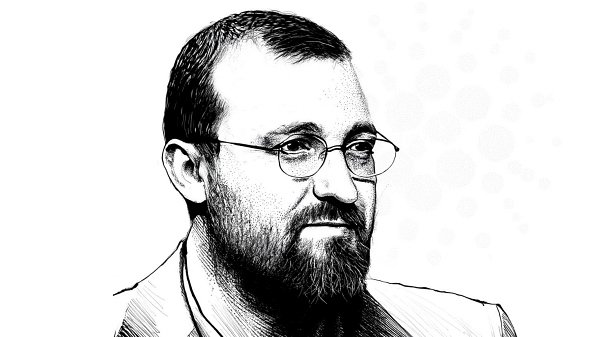
Charles Hoskinson said he previously held 108,000 bitcoin through Cardano’s early crowdsale.
On Aug. 31 local time, blockchain outlet The Crypto Basic reported that Hoskinson argued his long-standing connections within the bitcoin network could be a strength for Cardano’s bitcoin decentralised finance (DeFi) strategy.
Hoskinson recently appeared on the podcast “The Breakdown” and said he was once among the world’s largest bitcoin holders. He said the large holdings formed as he converted funds raised in Japanese yen in Cardano’s early crowdsale into bitcoin. At the time, bitcoin traded at about $250, putting the value of 108,000 bitcoin at about $27 million.
It has not been confirmed whether Hoskinson personally, or entities tied to the Cardano project, still hold those bitcoins. Hoskinson recalled the period as a “frenzied time” and mentioned discussing the size of his holdings with BitGo Chief Executive Mike Belshe (마이크 벨시).
Hoskinson said the key point was his network within the bitcoin community, rather than his past holdings. He said his deep involvement in the early bitcoin ecosystem led to relationships with major holders, and that those links could help bring bitcoin liquidity to Cardano. He said bitcoin holders could allocate funds to DeFi if they were offered attractive and trustworthy yield opportunities.
Cardano’s pitch, he said, reflects the preferences of bitcoin holders. Hoskinson said the DeFi bitcoin users want must preserve asset control and self-custody, and should not alter bitcoin itself or force users onto specific layer-2 solutions. He also stressed that lending structures must be designed appropriately.
The strategy aligns with the “Pogun” initiative led by Input Output Group (IOG). Pogun is designed to connect bitcoin’s idle liquidity to the Cardano DeFi ecosystem while allowing users to retain control of their private keys. Pogun’s 2026 roadmap includes a non-margin, oracle-free credit market in the second quarter, a maturity-based yield decentralised app (DApp) in the third quarter, and plans in the fourth quarter to build a BitVM-based, trust-minimised bitcoin bridge.
Hoskinson also presented figures on technical improvements. He said the size of proof data underpinning Cardano’s bitcoin DeFi strategy fell from 40 gigabytes (GB) to 28.1 megabytes (MB), while verification time was shortened from about 354 seconds to 0.149 seconds. Transaction verification costs also fell from about $14,000 to $37, he said.
There were also demand signals from the market. Pogun CEO Omer Hussein (오메르 후세인) said the project is building a lending book ahead of launch. Hussein said early borrowers expressed demand of $500 million, and on the supply side regulated institutions showed interest in providing up to $1 billion.
Cardano’s bitcoin DeFi strategy has entered a stage where it is putting forward both improved technical performance and early demand for funding. Actual results will depend on whether Pogun and Cardano-based bitcoin DeFi products can meet the security, custody and lending standards demanded by bitcoin holders.
About the Author
Yoonseo Leeyslee@d-today.co.kr
Keyword
#Charles Hoskinson#Cardano#Bitcoin#Input Output Group#PogunCopyright © DigitalToday. All rights reserved. Unauthorized reproduction and redistribution are prohibited.
Source: www.digitaltoday.co.kr