

Don't want to trade it yourself?
Our desk runs DEX portfolios on profit share.
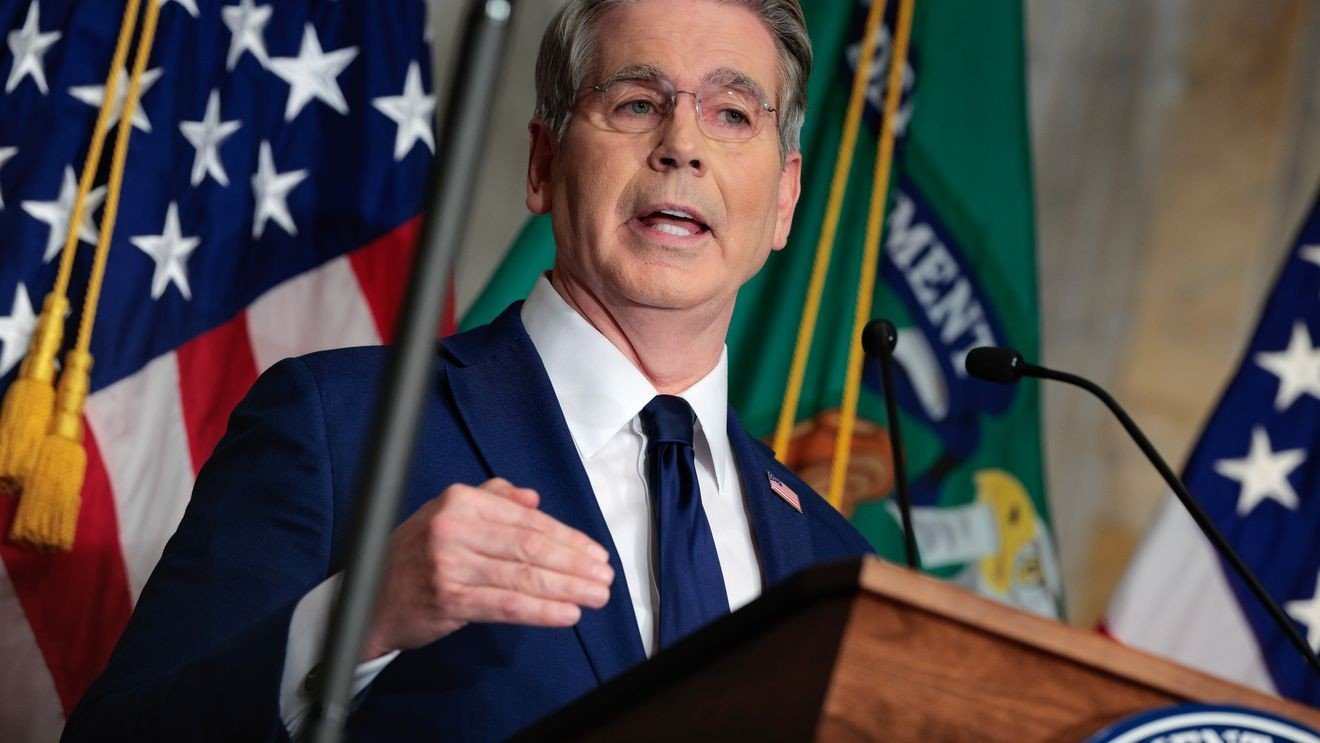
AUGUST 24: U.S. Treasury Secretary Scott Bessent announces a new set of sanctions against Iran, describing them as “an economic D-Day”, in the Cash Room at the Treasury Department on August 24, 2026 in Washington, DC. Bessent threatened Iran in an opinion piece in the Financial Times on Sunday with “the single greatest financial offensive ever”, almost six months after the United States and Israel launched a war against Iran in February. (Photo by Chip Somodevilla/
WASHINGTON (TNND) —The prices of <a href="https://xpertsstudio.com/25-years-on-wall-street-now-crypto-gsrs-baehr-sees-a-new-bitcoin-regime/” title=”25 Years on Wall Street, Now Crypto: GSR’s Baehr Sees a New Bitcoin Regime”>Bitcoin and gold have moved higher in recent days as investors respond to a shakeup in the bond market and concerns about the value of the U.S. dollar, which came as cryptocurrency also got a boost from progress on regulatory guidelines in Washington.
Bitcoin neared a high of $80,000 earlier this week, a 22% surge after hovering below $65,000 for months, which came at the same time as the bond buyback announcement. Gold also hit a recent high this week as investors looked for alternate stores of value outside the value and government debt after long-term bond yields hit their highest levels since 2007.
The rally accelerated after the Treasury Department announced last week it would soon double the maximum size of its bond buyback from $2 billion to $4 billion using its general account. It was the latest move by the Trump administration to intervene in global financial markets, which Treasury Secretary Scott Bessent said aimed to limit the rise of long-term government bond yields to minimize borrowing costs.
Yields represent the costs investors are demanding to be paid in exchange for buying bonds and have recently hit their highest levels since 2007. Bond prices move in opposing directions, meaning higher demand from the Treasury’s bond purchases can move prices higher and push yields lower. Yields have dipped since Bessent’s announcement last week, but there are questions about how long the buyback effects will last.
“They’re trying to influence the long end, but they’re doing it with a drop in the bucket,” said Russell Rhoads, a clinical associate professor of financial management at Indiana University’s Kelley School of Business. “A few billion dollars isn’t going to get you very far in a market that’s the size is in trillions.”
While the scale of the buybacks is small in comparison to the overall bond market, the signal it sends is concerning some investors who are also growing more apprehensive of America’s mounting government debt that crossed the $40 trillion thresholdlast week. Governmental efforts to reduce borrowing costs while deficits climb have raised concerns about how Washington will manage the growing cost of financing the debt.
The reaction to the buybacks has spread beyond the bond market as investors look for places to keep their value outside of the dollar and bonds. Gold and other precious metals have traditionally served as stores of value during periods of economic and financial uncertainty, which has also included Bitcoin recently.
The concern for some is that rising levels of debt and attempts to contain the government’s borrowing costs could put downward pressure on the dollar, increasing the appeal of assets that have a value that isn’t tied to monetary or fiscal policy.
Interest costs are also becoming a bigger driver of deficits, with the government expected to spend more than $1 trillion on interest this year in a cost that is expected to continue climbing. There is also abundant anxiety about inflation, which has been above the Federal Reserve’s target of 2% for more than five consecutive years.
“The gold is very much of a flight to safety. Equities are so expensive if you’re coming out of bonds and you’ve got to put money somewhere,” Rhoads said. “It’s just a hedge or a speculation of another bout of inflation, or speculation that we’re going to end up in some sort of financial turmoil.”

CAMP DAVID, MARYLAND – JULY 31: Secretary of the Treasury Scott Bessent (R) listens as U.S. Vice President JD Vance (L) speaks during a Cabinet meeting at Camp David, the presidential retreat, on July 31, 2026 in Camp David, Maryland. Trump convened members of his Cabinet at the presidential retreat as the war with Iran continues. (Photo by Anna Moneymaker/
The shift away from bonds reflect broader concerns in financial markets that could have an impact on the economy. High Treasury yields also add to borrowing costs for consumers and businesses, creating a potential drag on economic growth. A weaker dollar can also negatively impact the economy by making imported goods more expensive and adding to pressure on inflation.
Bitcoin also benefited from a favorable week of news coming out of Washington with progress on a handful of bills that spurred optimism about its future.
President Donald Trump held a cryptocurrency conferenceat the White House on Wednesday, where he called on Congress to pass the Clarity Act, a bill that would create a regulatory framework for crypto. The industry has been caught between regulatory agencies in Washington in debates over whether it should be considered a commodity or a security.
Commodity Futures Trading Commission Chair Mike Selig also said at the meeting that the regulatory agency would do everything it could to advance Trump’s agenda. The CFTC is considering how to use its authority to ease rules surrounding cryptocurrency companies offering new tokens and raising money.
Both have spurred hope among the industry that helped prop up values along with the shifting of investments from bonds to gold and Bitcoin.
Source: 13wham.com
1 Comment
Pingback: SEC Crypto Custody Rule Hits the White House: Lighter Standards Ahead? – xpertsstudio