

Don't want to trade it yourself?
Our desk runs DEX portfolios on profit share.
Japan Plans Blockchain Settlement Rails
Japan is preparing payment infrastructure that would settle stock and Japanese government bond trades instantly using blockchain technology, according to a report in the Nikkei newspaper published Wednesday. The plan would collapse a settlement cycle that currently runs one to two days into something close to real time.
Key Takeaways
- The Financial Services Agency, the Ministry of Finance, the Bank of Japan and financial institutions will launch a study group this summer.
- A development plan is expected around the beginning of 2027 at the earliest, covering blockchain design, division of responsibilities and a road map.
- Operations could start within a few years, with the system potentially running in the early 2030s if the plans win formal approval.
What the Study Group Must Decide
The agenda is technical and political at once. The group has to pick a design for the blockchain itself, split responsibilities among agencies and private institutions, and set a sequence for the work that follows.
None of those choices are small. Japan could build a new chain, connect several regulated networks, or bolt distributed ledgers onto the market systems already running. Each option carries different consequences for governance, cybersecurity, transaction privacy and operational resilience.
Around-the-clock operation adds another layer of difficulty. Continuous settlement means regulators and banks must staff and supervise beyond current market hours, and it forces a decision on how to reverse a transfer that was sent in error or without authorisation. On a ledger designed for finality, that is a policy question dressed as an engineering one.
Why Speed Is Worth the Trouble
Cash settlement for Japanese stock trades happens two business days after execution. Government bond transactions clear the next day. In both cases, money sits idle between the trade and its settlement.
A real-time system closes that gap. An investor selling an asset could redeploy the proceeds almost immediately, turning dead time into working capital. With Japanese interest rates higher than they were for most of the past decade, the cost of that idle cash rises every day. The report also indicated the instant payment system could extend to international remittances, which would give the project reach well beyond Tokyo.
Scale of the Market Involved
The stakes are measured in the trillions. Ministry of Finance figures put outstanding Japanese government bonds and bills at roughly 1,166 trillion yen. Any change to how that market clears touches banks, brokers, pension funds and foreign holders alike.
Japan has run blockchain pilots before. What differs now is the presence of dates and named institutions attached to a national rollout rather than an experiment. Japanese banks have moved in parallel, with the country’s three largest lenders preparing a shared yen stablecoin framework aimed at live transactions by March 2027.
Tokyo Joins a Global Rebuild of Post-Trade Plumbing
Wall Street is running the same experiment on a different timetable. The Depository Trust and Clearing Corporation, which settles and safeguards most stock and bond transactions in the United States, has been running tokenised transactions with major banks in a production environment ahead of a broader service launch. Interbank messaging has moved too. Swift launched a shared ledger with 17 global banks to carry tokenised deposits across a network spanning more than 11,500 institutions, layering a continuous rail on top of existing settlement rather than replacing it.
The commercial argument is consistent across every one of these projects. Collateral trapped in slow settlement cycles earns nothing, and institutions want it redeployed instantly rather than pre-funded across dozens of locations. The obstacles are consistent too. Roughly 49 countries now run pilot or official blockchain-based payment and central banking systems, and supervisors are writing tailored rules rather than stretching legacy financial law to cover them. Japan’s timeline reaches into the 2030s for a reason. The technology is the easy part.
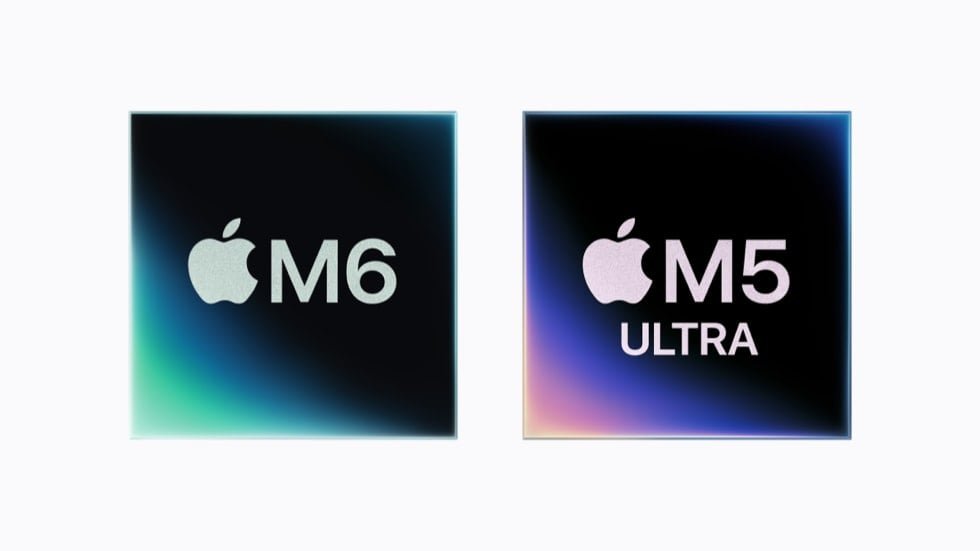
Apple’s First 2nm Chip Arrives Alongside a Quad-Die Mac Studio Flagship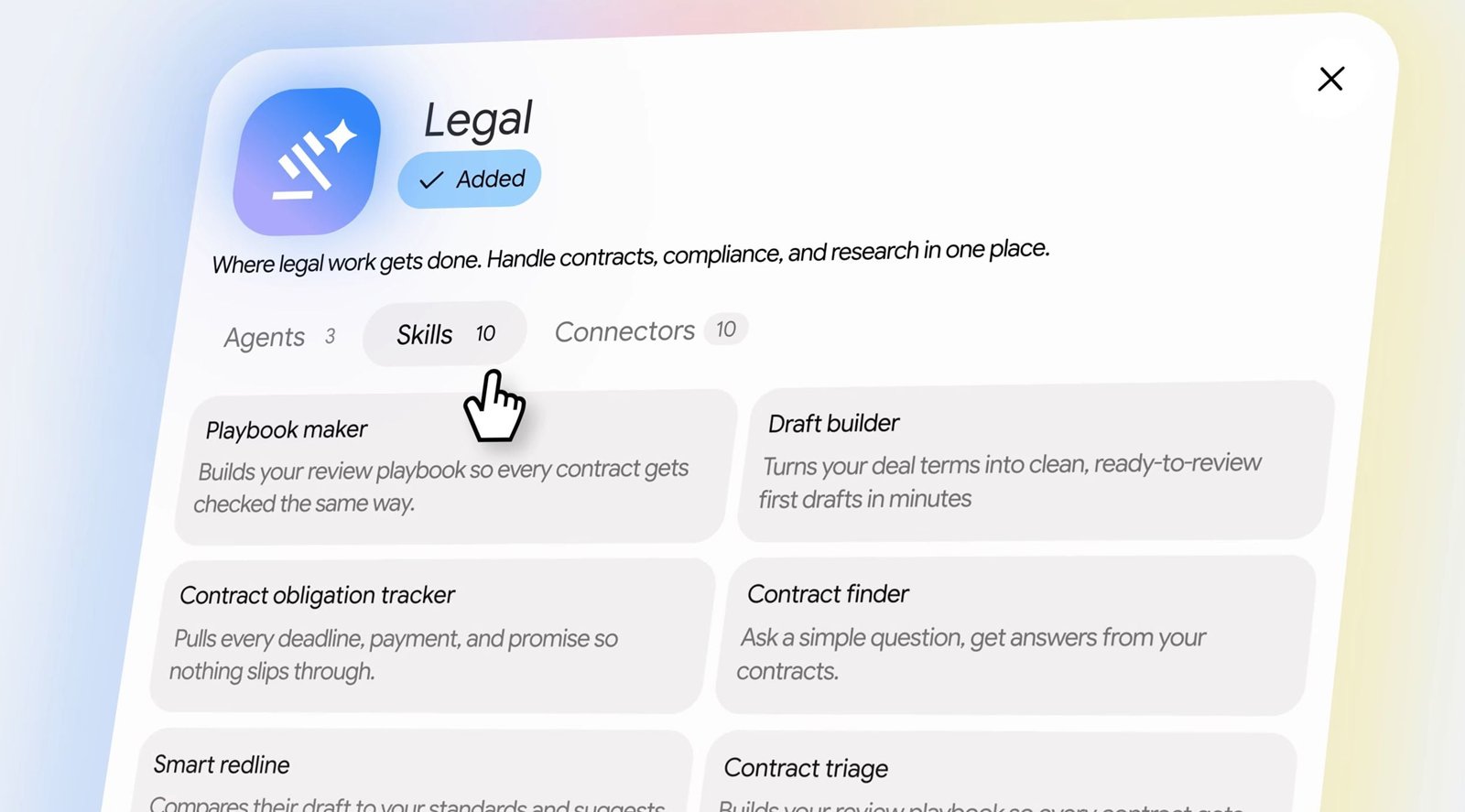
Google Brings Gemini Enterprise to Law Firms With Dedicated Legal AI Agents
Australia Bars Fully AI-Generated Tracks From Its Official Music Charts
Accelerated Understanding Unveils Neural Operator Model That Handled 5 Trillion Data Points- CD Projekt Red Targets 2028 Release for The Witcher 4
Meta Threads Tests Automatic Transcripts for Podcast Audio Clips
Alibaba Releases Wan3.0 Video Model a Day After $10 Billion Share Sale- Xiaomi Unveils Xring O3 Processor, TSMC to Build It on 3nm
- LG Says FLiPP Delivers Brighter, Longer-Lasting OLED at Much Larger Screen Size

Challenge: Modular Automation Systems for Mobile Industrial Operations Well Servicing Applications
Source: www.technology.org
1 Comment
Pingback: Japan Eyes 24/7 Blockchain Settlement for Bonds and Stocks in Landmark Financial Overhaul – xpertsstudio