


Don't want to trade it yourself?
Our desk runs DEX portfolios on profit share.
Currencies38693
Market Cap$ 2.72T+0.25%
24h Spot Volume$ 64.54B-8.55%
DominanceBTC56.92%-0.44%ETH10.75%-0.07%
ETH Gas0.08 Gwei
SECDigital AssetsSecurities LawPublic Comment
Aug 21, 2026
3min read
byDhaval
forBitcoin World
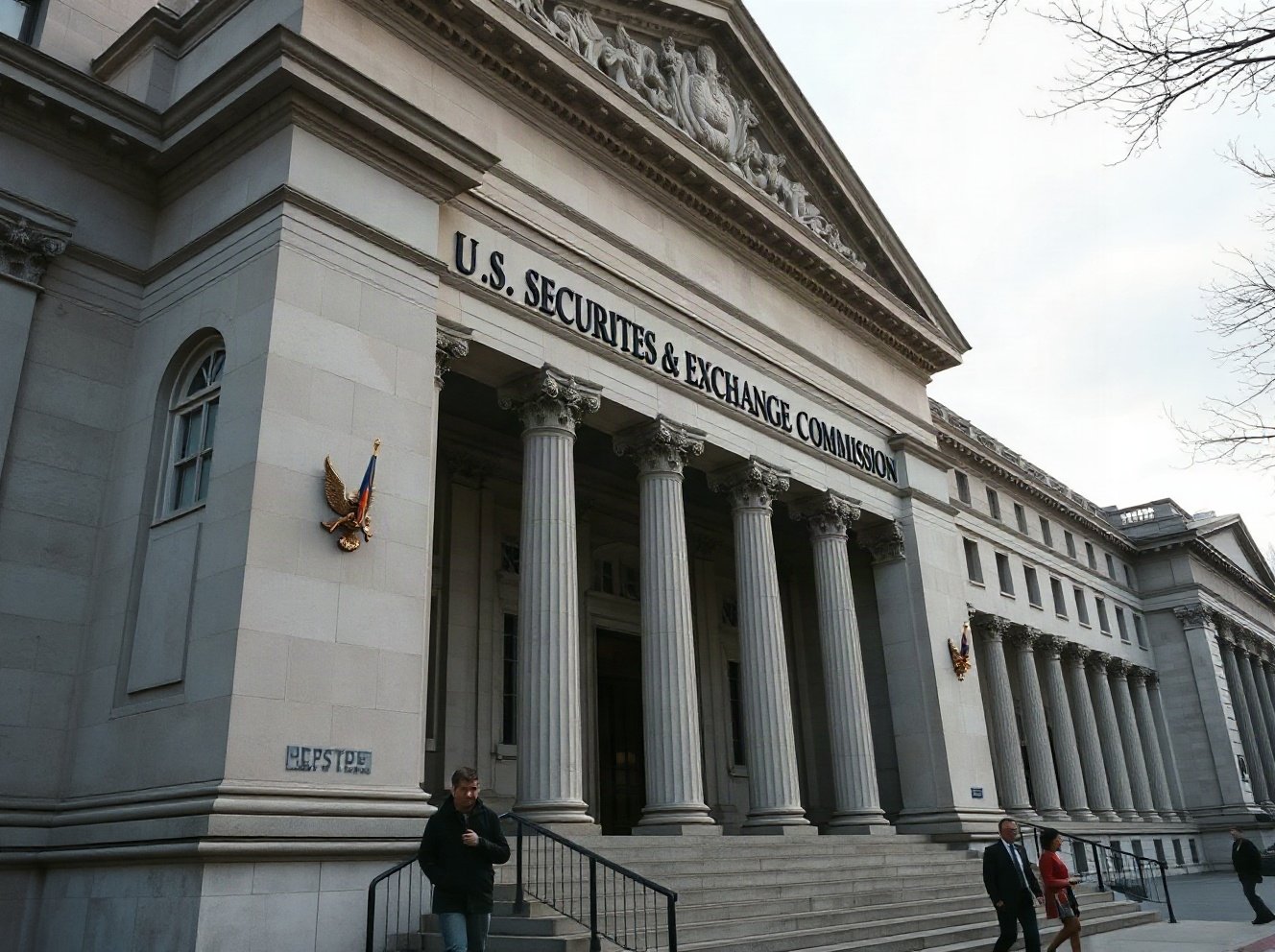
The SEC opened a public comment period on its proposed Regulation Crypto Assets, which includes two tailored exemptions from federal securities registration for certain crypto investment contracts and invites feedback through the October 20 deadline. If finalized the rule could reduce compliance burdens and provide clearer pathways for token launches, fundraising and issuer adoption while preserving disclosure and anti-fraud requirements, though the narrow scope may limit benefits for broader DeFi, DEX and CEX markets.
See what traders are focused on
The U.S. Securities and Exchange Commission (SEC) has opened a public comment period on its recently proposed Regulation Crypto Assets, a rule that includes two tailored exemptions from federal securities registration requirements for certain crypto investment contracts. The comment window closes on October 20, according to a report by News Bitcoin.
What the Proposed Rule Covers
Regulation Crypto Assets is designed to address how existing securities laws apply to digital assets, a topic that has generated significant debate among regulators, industry participants, and legal experts. The proposed exemptions would apply to specific types of crypto investment contracts, potentially reducing compliance burdens for certain issuers while maintaining investor protections.
The SEC has not yet published the full text of the proposal, but the announcement signals a continued effort to clarify the regulatory landscape for digital assets. The move comes amid ongoing discussions about whether existing securities frameworks adequately address the unique characteristics of blockchain-based tokens and investment schemes.
Why This Matters to the Crypto Industry
For years, crypto firms have faced uncertainty over which digital assets qualify as securities and how to comply with registration requirements. The SEC’s proposed rule could provide clearer pathways for compliant offerings, but the exemptions are narrowly tailored and may not apply broadly across the industry.
Legal analysts note that the public comment process is a critical step in shaping the final rule. Stakeholders, including exchanges, issuers, and investor advocacy groups, are expected to submit feedback on the scope of the exemptions and their practical implications.
Potential Impact on Issuers and Investors
If adopted, the tailored exemptions could lower entry barriers for smaller projects that struggle with the cost and complexity of full securities registration. However, the SEC has emphasized that the exemptions do not imply a blanket endorsement of crypto assets, and all offerings must still meet applicable disclosure and anti-fraud requirements.
Investors may benefit from increased transparency and standardized disclosures, while issuers could gain more predictable compliance pathways. Still, the rule’s effectiveness will depend on how the SEC finalizes the exemptions after reviewing public input.
Conclusion
The SEC’s request for comments marks a notable step in the ongoing evolution of crypto regulation in the United States. With the October 20 deadline approaching, market participants have a limited window to weigh in on a rule that could shape the future of digital asset offerings. The final outcome will hinge on the balance between fostering innovation and protecting investors.
Q1: What is Regulation Crypto Assets?
It is a proposed SEC rule that seeks to clarify how securities laws apply to certain crypto investment contracts, including two tailored exemptions from registration requirements.
Q2: Who can submit comments on the proposal?
Any member of the public, including industry stakeholders, legal experts, and investors, can submit comments to the SEC before the October 20 deadline.
Q3: How might this rule affect crypto issuers?
If finalized, the exemptions could reduce compliance costs for eligible issuers, but all offerings must still meet disclosure and anti-fraud standards.
Source: cryptorank.io
1 Comment
Pingback: Crypto Industry Files Second Lawsuit Against Illinois’ 0.2% Digital Asset Tax | Regulation Lawsuit – xpertsstudio