

Don't want to trade it yourself?
Our desk runs DEX portfolios on profit share.
Currencies38647
Market Cap$ 2.70T+5.91%
24h Spot Volume$ 66.33B+23.3%
DominanceBTC57.75%+2.10%ETH10.69%-1.35%
ETH Gas2.27 Gwei
South KoreaExchangesDelistingMantraOM
Aug 21, 2026
4min read
byDhaval
for<a href="https://xpertsstudio.com/whats-driving-bitcoin-ethereum-and-xrp-rally/” title=”What's driving Bitcoin, Ethereum and XRP rally?”>Bitcoin World
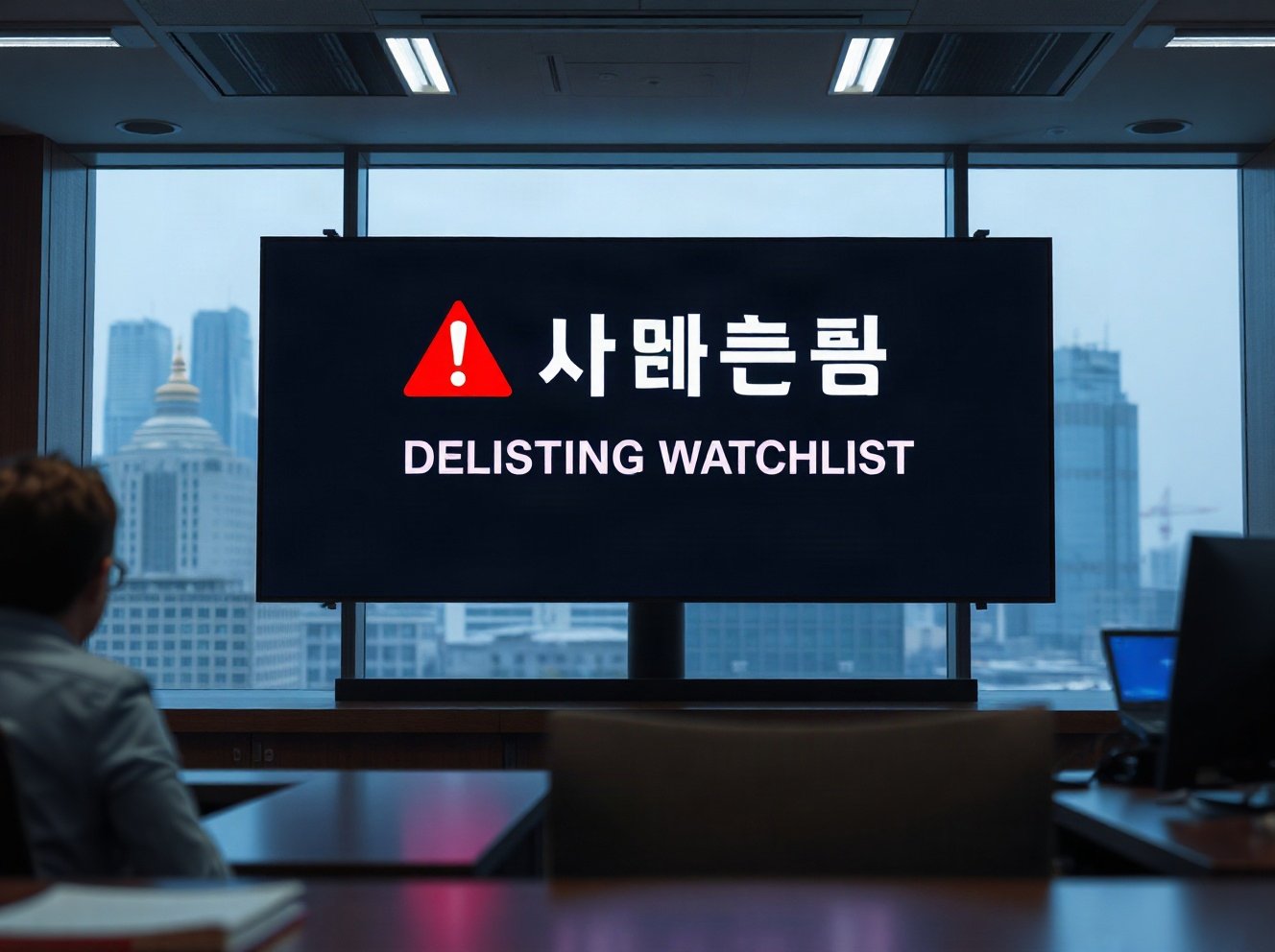
South Korea’s three largest exchanges—Upbit, Bithumb, and Coinone—have placed MANTRA (OM) on delisting watchlists under reviews required by the Virtual Asset User Protection Act (effective July 2024), typically giving projects roughly a one-month grace period to supply disclosure or fix security and trading concerns. The move puts immediate pressure on OM’s liquidity and price on Korean CEXs and could harm adoption despite MANTRA’s layer‑1 RWA focus and UAE/Asia partnerships, with potential delisting setting a precedent for token governance and exchange compliance in crypto markets.
See what traders are focused on
South Korea’s three largest cryptocurrency exchanges—Upbit, Bithumb, and Coinone—have simultaneously placed MANTRA (OM) on their delisting watchlists, signaling increased regulatory scrutiny and potential trading suspension for the token. The coordinated action, announced this week, has raised concerns among OM holders and highlighted the growing influence of Korean financial authorities over digital asset listings.
Why Are the Exchanges Acting Together?
The simultaneous designation by all three major Korean platforms is not coincidental. Under the Virtual Asset User Protection Act, which took effect in July 2024, exchanges are required to conduct regular reviews of listed tokens to ensure they meet disclosure, security, and trading criteria. When an exchange identifies a potential issue—such as inadequate information disclosure, technical vulnerabilities, or irregular trading patterns—it must place the asset on a watchlist and notify users.
In MANTRA’s case, the exchanges have not publicly specified the exact reason for the watchlist designation. However, similar actions in the past have often been triggered by delayed project updates, changes in the token’s underlying network, or concerns about market manipulation. Upbit, Bithumb, and Coinone typically give projects a grace period—usually around one month—to address the issues before a final delisting decision is made.
What This Means for MANTRA and Its Investors
MANTRA is a layer-1 blockchain focused on tokenized real-world assets (RWA), with OM serving as its native token for staking, governance, and transaction fees. The project has gained significant traction in the Middle East and Asia, with partnerships in the UAE and a growing ecosystem of RWA-focused applications. The delisting watchlist designation does not immediately remove OM from trading, but it does signal a higher risk of suspension if the project fails to satisfy exchange requirements.
For investors, the immediate impact is likely to be increased volatility. Historically, tokens placed on watchlists by South Korean exchanges have experienced short-term price declines due to uncertainty and reduced liquidity. OM’s trading volume on Korean platforms could also shrink as some traders move to other venues to avoid potential disruption.
How the Delisting Process Works in South Korea
South Korea’s regulatory framework requires exchanges to follow a transparent process when reviewing tokens. After a watchlist designation, the exchange may request additional documentation from the project team, conduct a technical audit, or review trading data for signs of manipulation. If the project fails to comply or the issues are deemed severe, the exchange can issue a formal delisting notice, after which trading is halted and a withdrawal period is provided.
It is important to note that each exchange operates independently, even when they act in coordination. Upbit, Bithumb, and Coinone may each conduct their own review, and the outcome could differ across platforms. In some cases, one exchange may delist a token while others continue trading it, depending on their internal assessments.
What Should OM Holders Do Now?
OM holders should monitor official announcements from both the MANTRA project and the Korean exchanges. The project team is likely to issue a response, and their ability to provide the requested information quickly will be critical. Investors should also review the specific conditions outlined by each exchange, as the grace periods and requirements may vary.
This development also underscores the importance of understanding exchange-specific listing policies, especially for tokens with significant exposure to the Korean market. For MANTRA, the outcome of this review could influence its reputation and liquidity across global exchanges, as Korean platforms are major liquidity providers for many altcoins.
Conclusion
The placement of MANTRA on delisting watchlists by Upbit, Bithumb, and Coinone is a significant regulatory signal that could affect the token’s near-term trading and long-term credibility. While a delisting is not yet confirmed, the coordinated action demands attention from OM holders and the broader crypto community. The coming weeks will be crucial as the project responds to the exchanges’ requirements, and the outcome will likely set a precedent for how similar tokens are treated under South Korea’s evolving digital asset regulations.
Q1: What is a delisting watchlist?
A delisting watchlist is a public notice by an exchange that a token is being reviewed for potential removal from trading. It serves as a warning to investors and gives the project time to address issues.
Q2: Will MANTRA be delisted for sure?
Not necessarily. The watchlist designation is a preliminary step. If the MANTRA team provides satisfactory information or fixes identified problems, the exchanges may remove the token from the watchlist.
Q3: How long does the review process take?
Typically, Korean exchanges allow about one month for projects to respond. The exact timeline can vary based on the complexity of the issues and the exchange’s internal procedures.
Source: cryptorank.io