XRP repricing may not arrive the way most investors are counting on right now, and the timing, according to analyst Mickle, could catch a lot of people off guard. At the time of writing, XRP trades at around $1.37, down roughly 12% from $1.59 since the start of March, and price fluctuations have been pretty persistent throughout.
Ripple regulatory clarity also keeps getting closer, and the whole Elon Musk’s X Money situation adds a fresh layer of speculation on top of an already complicated picture. The XRP repricing reasons, though, point to a catalyst that sits one to two quarters away. Not the day anyone signs a bill.
Also Read: XRP Eyes Big Move as 7 ETFs Launch & Supply Tightens, Pundit Says
XRP Price Fluctuations, Ripple Clarity And X Money Impact
A Payments Race With a New Contender
BlockNow reports that X Money will launch for early public access next month, with peer-to-peer transfers and in-app financial services running on Visa’s infrastructure behind the scenes. Ripple spent years positioning XRP as the crypto-native solution for fast, low-cost cross-border settlements, which is exactly the space X Money now wants to move into through social media. If X ever adds crypto payment support, XRP institutional adoption advocates point out that the token fits the role better than most: faster and cheaper for actual transfers than Bitcoin or Ethereum.
Dogecoin was a meme that Musk turned into a market mover. XRP was designed for something more specific from day one. Ripple built out RippleNet for institutional clients, the XRP Ledger as the core blockchain, and Ripple USD to connect the crypto world with traditional finance.
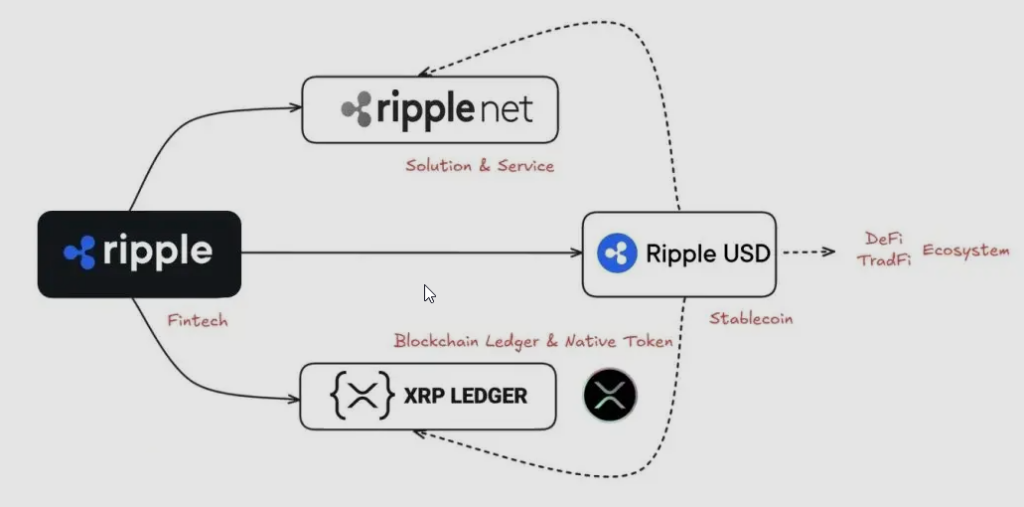
That is a lot of infrastructure to have in place. It is also why XRP institutional adoption tends to come up again every single time a big name steps into the payments space. X Money stepped in and Ripple has been waiting for this conversation for years.
Why Institutions Hold the Real Key to XRP Repricing
Ripple regulatory clarity now looks like a near-certainty in Washington. Analyst Mickle noted that debate in the capital has moved past whether a crypto clarity bill will pass and now centers on whether it clears before or after the upcoming midterm elections. Political timing could still slow things down, but both parties appear to agree that the digital asset space needs clearer rules.

Mickle also cautioned investors against expecting an immediate XRP repricing the moment legislation lands. He pointed to how the market handled the conclusion of Ripple’s SEC case in 2024, where XRP price fluctuations stayed notably muted at first. Investment committees, risk teams, and boards at major institutions each needed months to work through the outcome before they adjusted strategy toward the asset. That same delay, he argued, will likely repeat with a clarity bill.
The Announcements That Could Finally Move Price
The real XRP repricing reasons sit one step beyond the legislation itself. For years, institutions that ran quiet Ripple pilots and internal tests stayed silent specifically because of regulatory uncertainty. Once Ripple’s regulatory clarity fully arrives, that silence ends and public partnership announcements can start rolling out. T
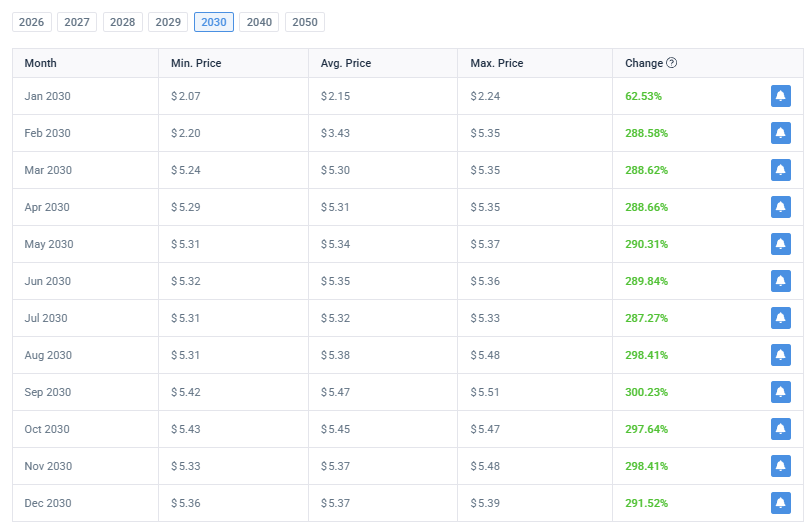
hose confirmations, Mickle argued, are what actually move price and shift market perception around XRP repricing in a meaningful way. His estimate: one to two quarters after the bill passes, not on the day it does. CoinCodex puts XRP anywhere between $2.07 and $5.51 through 2030, averaging around $4.94 annually. Getting there, though, depends on exactly the kind of institutional momentum Mickle says is still a quarter or two away.
Right now, with futures open interest down to $2.33 billion and around 31 million XRP recently moving to exchanges, the short-term picture looks cautious. The $1.30 support level is the number most analysts watch at the time of writing, and a break below it could add more pressure before any XRP repricing event has a chance to take shape.